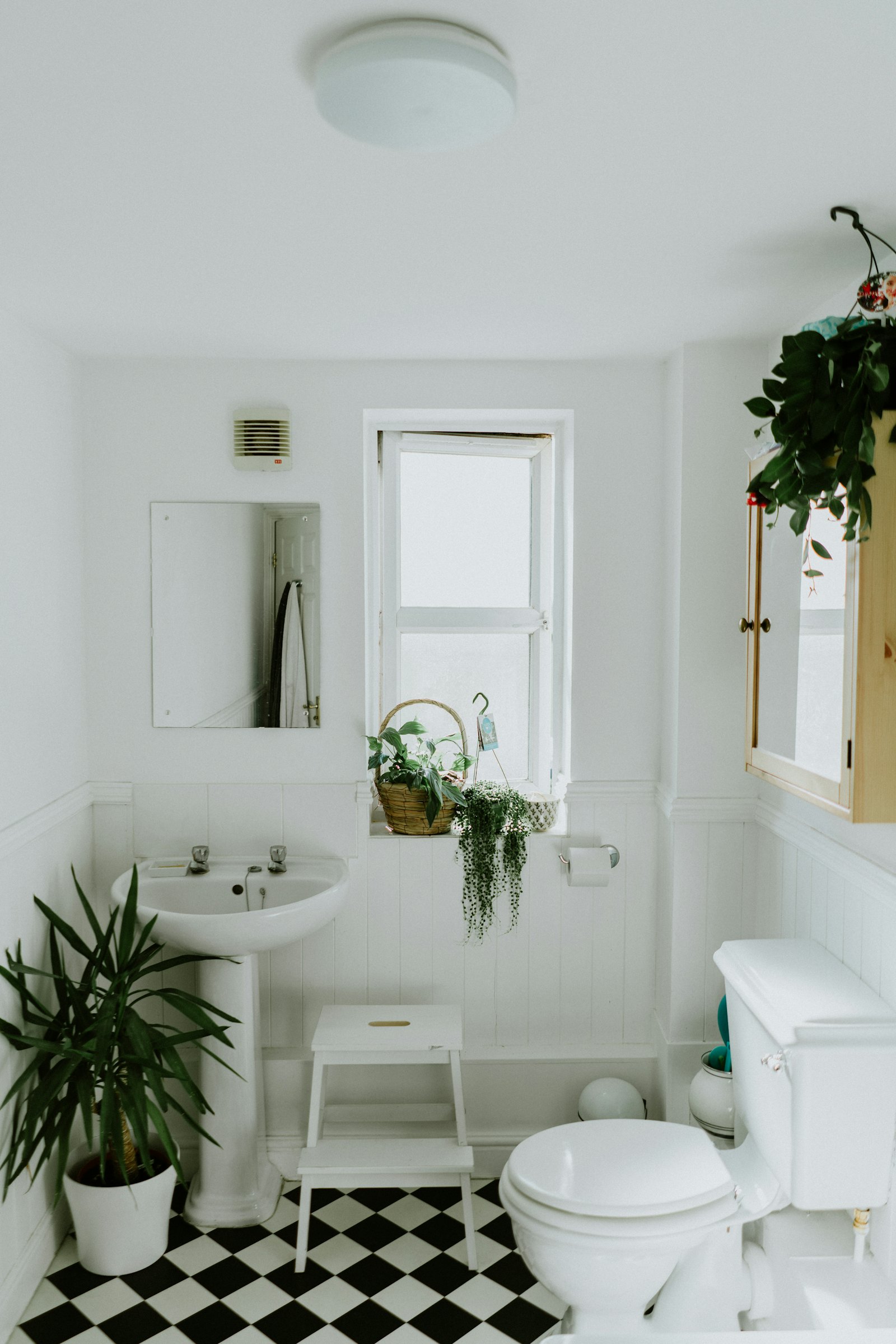
Bathroom remodeling in Texas has to respect water that is already in the air and water that is already under the floor. Humid stretches feed mold in grout and behind a fan that dumps into the attic. A slab makes a moved shower a larger job than the same move on a pier-and-beam floor you can reach from below. Hard water in limestone country etches glass and ruins valves long before the tile looks old.
The wet wall is the whole project. A shower that leaks at the curb, the niche, or the valve will wreck the new finish. Ask how the pan is waterproofed, where the membrane turns up the wall, and whether the valve can be serviced later without tearing out the tile. Exhaust has to leave the house. A fan that blows into a humid attic is how a pretty bath becomes a ceiling stain in the next room.
Layout follows the structure. On a slab, the drain and the toilet flange are stubborn, so a plan that slides the shower across the room needs an honest answer about jackhammering and patching concrete. On pier and beam, joist direction and the depth of the crawl decide whether a new curb or a linear drain is simple or foolish. Older cottages often have a bath on an exterior wall, which matters again on the night a short freeze finds that supply line.
Use the remodel to fix what the climate keeps breaking. Replace a tired fan and duct it outdoors. Set the water heater conversation aside if the tank is far away and the wait is long, but do not ignore valves already packed with scale. If the floor tiles cracked because the slab or the framing moved, a new surface on the same movement will crack again. Ask what under the finish is being corrected.
Bring the room's size, whether the floor is slab or wood, and the one problem you cannot live with: the leak, the moldy grout, the tub you cannot step into, or the layout that never worked. Say if the bath sits on an outside wall. Ask who handles the waterproofing, the fan duct, and the valve, and how you will reach those parts later. Call the number on this page.