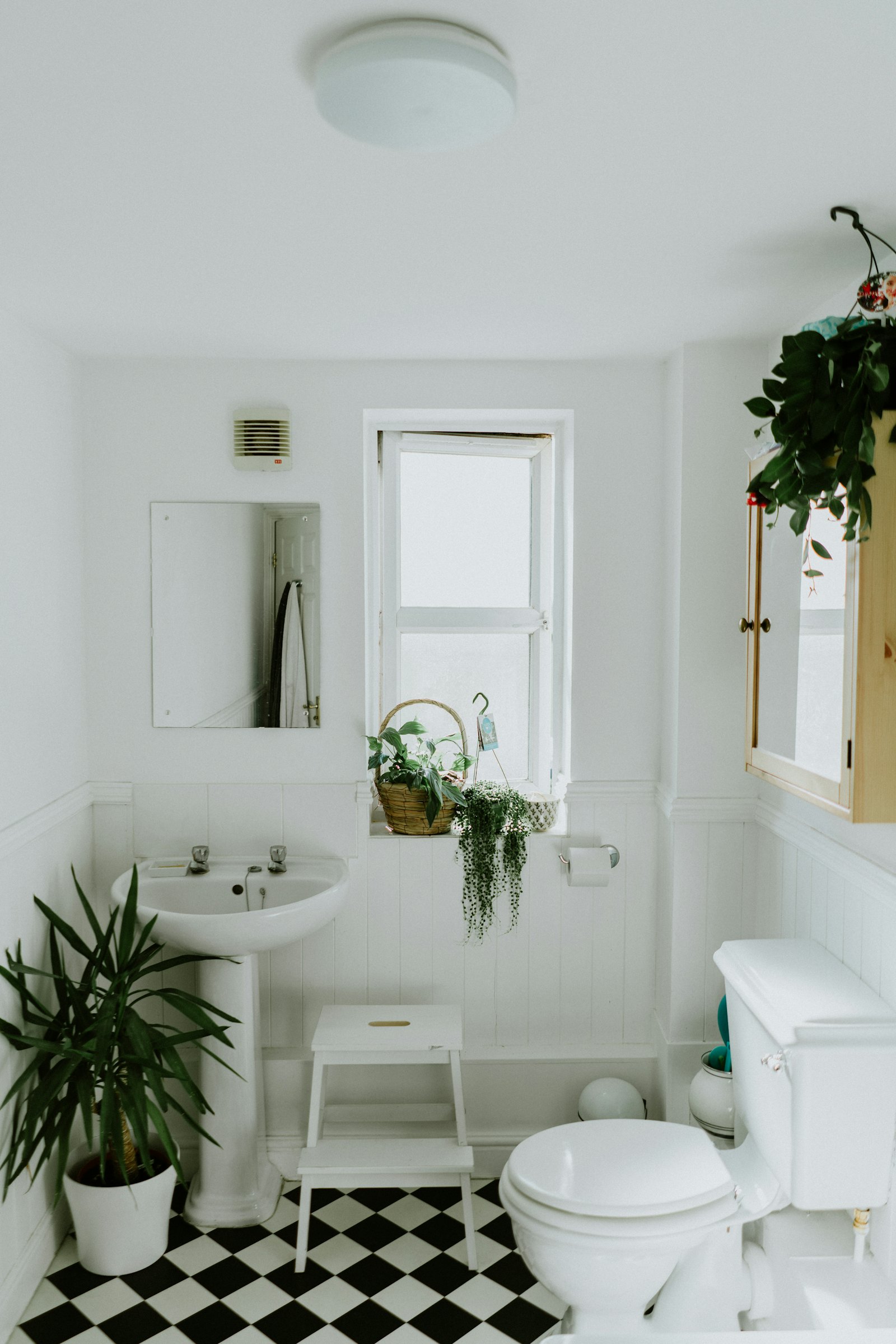
Bathroom remodeling in Virginia starts with humidity and with whatever pipe is already in the wall. A fan that wheezes into the attic will not protect a bath from a Tidewater summer or a muggy Piedmont afternoon. Older houses often have one full bath and a tub that is the shower. Tile on plaster moves. Mountain houses add cold floors and long runs from a distant heater. Say which bath you mean.
Galvanized lines and cast-iron stacks still hide in older towns. A newer suburban bath can leak at the valve wall behind fresh tile. Moving a fixture means a drain and a vent, not only a new layout. Wells and septic fields across rural counties change the stakes if you add use. Clay soil that shifts can crack a line you expected to leave alone. Say if the ceiling below is already stained, because then the remodel is also a leak.
The wet walls decide whether the work lasts. A shower aimed at a window, a flexing surround, and grout that stays dark are why people call. Heavy tile asks a question of older joists, especially in houses that already bounce. If you need a low threshold, say so. The footprint in an old town bath may not grow. A crawl space under the room changes how the drain is reached.
You do not need a drawing. You need the floor, the window if there is one, and whether the tub stays. Mention a tight historic bath, a slab on clay, or a house on a ridge where debris has a long path to the road. Keep finishes for later. A rural septic note belongs in the first minute if you are adding fixtures.
Say repair or gut, and name what failed. Bathroom remodeling in Virginia is a wet room in a state that is already humid from the ocean to the foothills, and simply cold higher up. Call the number on this page.