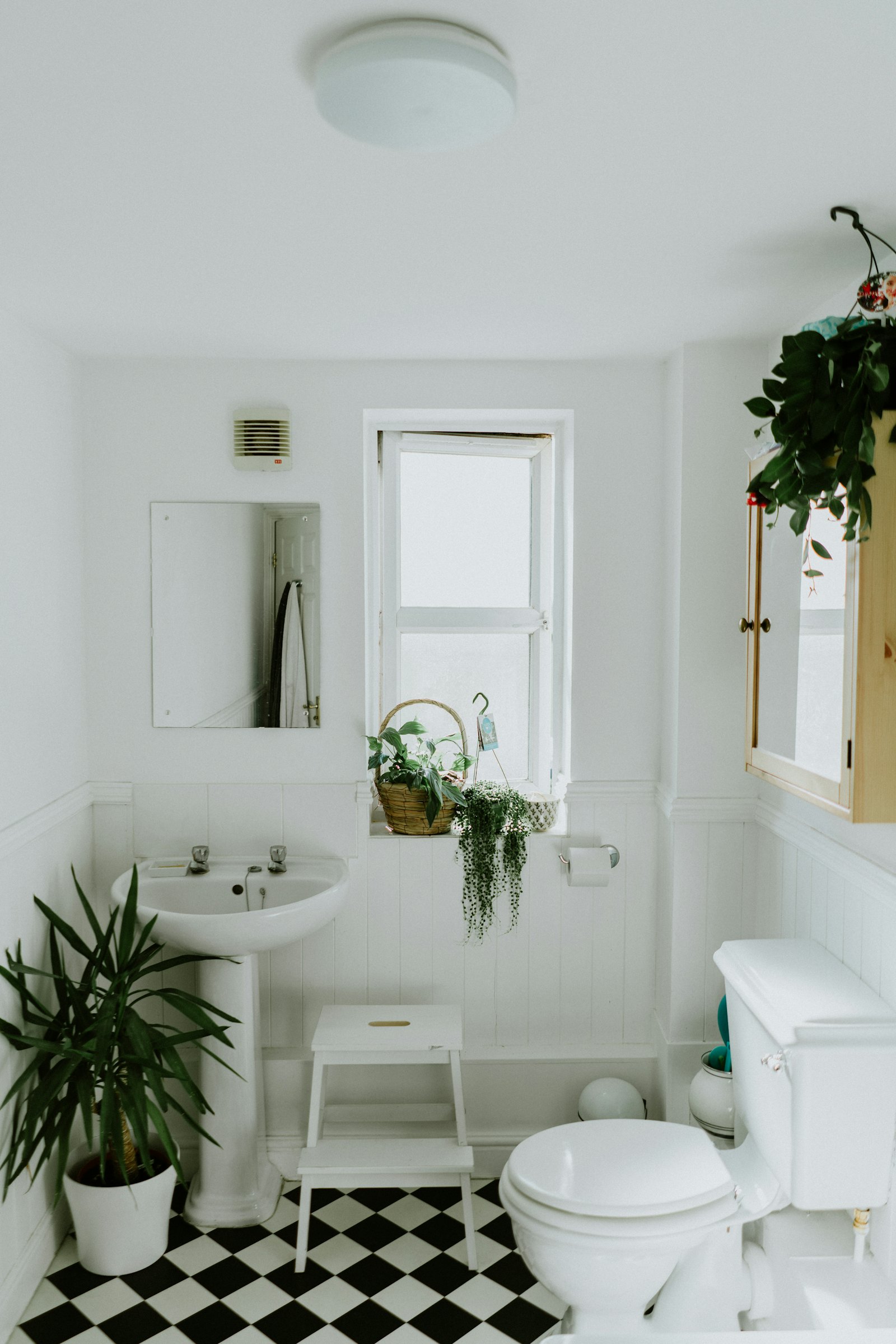
Bathroom remodeling in West Virginia usually means a small older bath in a house that was not built with a large wet room in mind. The fan, if it exists, may vent into a cold attic. A tub is often the only shower. Plaster and old tile have moved with the seasons. Valley humidity in summer and a freezing winter on the ridge both have to be in the plan. Say which bath and what has failed.
Galvanized lines, a long run from a water heater in the basement, and a stack that has served for decades are ordinary. Moving a fixture on a house that steps down a hill can complicate the drain slope. A crawl space may be the only way to see the joists, and that crawl may be cold and tight. If the ceiling below is stained, the job is a leak as much as a remodel. Wells and septic systems in the hollows matter if you add use.
Moisture is the test. A shower spraying a wood window, grout that stays dark, and a floor soft at the tub are the usual reasons to call. The room may have one small window and no real exhaust, so humidity hangs. If someone needs a low threshold, say so. The footprint may be the footprint. Heavy tile on a bouncy old floor is a structure question on houses that have already settled on a slope.
Debris has to leave by a narrow stair, a steep walk, or a road that a large truck will not love. Say that if access is poor. Keep finishes out of the first minute. Lead with the failed floor, the bad valve, or the fan that never reached daylight. A bath added onto a porch is a common local story and it should be named, because the floor under it may not have been built for a tub.
Say repair or gut. Bathroom remodeling in West Virginia is a wet room inside an older mountain house, with cold outside and damp air in the valleys. Call the number on this page.