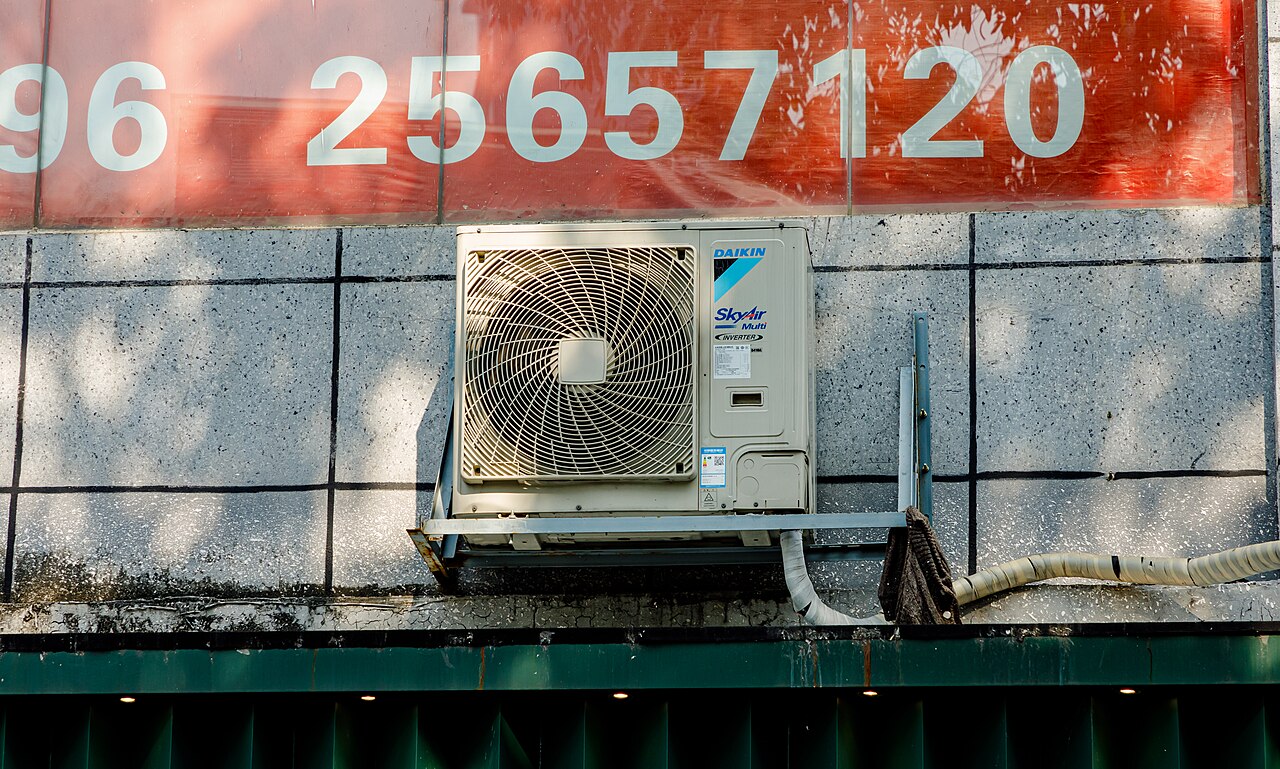
HVAC in New York depends on how the building was taught to make heat. Much of the city still runs on steam or hot water radiators, a basement boiler, and window units when summer arrives. Much of upstate runs on a furnace or a boiler that must work for a long, unbroken winter. Buffalo cold comes off the lake and stays. The same symptom, no heat, is urgent in both places and still not the same machine.
Say heat or cooling first, and say whether it stopped or only got weak. A radiator that stays cold while others heat is a different call from a furnace that will not light. A window unit that froze into a block of ice is not a rooftop compressor. Filters, blocked returns, and a flue that no longer drafts can imitate a dead machine. Ask what gets ruled out before a whole system is condemned.
Upstate weather is not the city, so the calendar is not the same. Upstate heating season is the main event, and a night with no heat is the call to make now. City summers are long, sticky, and hard on people in masonry that holds heat after sunset. Cooling there may be a sleeve through the wall, a window unit, or equipment on the roof. Say which one you have, and whether the whole building shares it.
If the system is being replaced, say the fuel and the type: steam, hot water, forced air, or something in a window. Ask whether the new equipment is being matched indoors and out, or only the outdoor piece is changing. Ask about the flue, the combustion air, and the condensate line on colder-climate equipment that can freeze. In a city cellar, access and the chimney are the story. In a detached house, ducts and the attic often are.
Do not describe a radiator building as if it had a ranch-house furnace, and do not describe a lake-winter furnace as if a window unit could carry it. Say what is in the basement or the wall, and whether you are cold or hot right now. HVAC in New York starts with that truth. Call the number on this page.