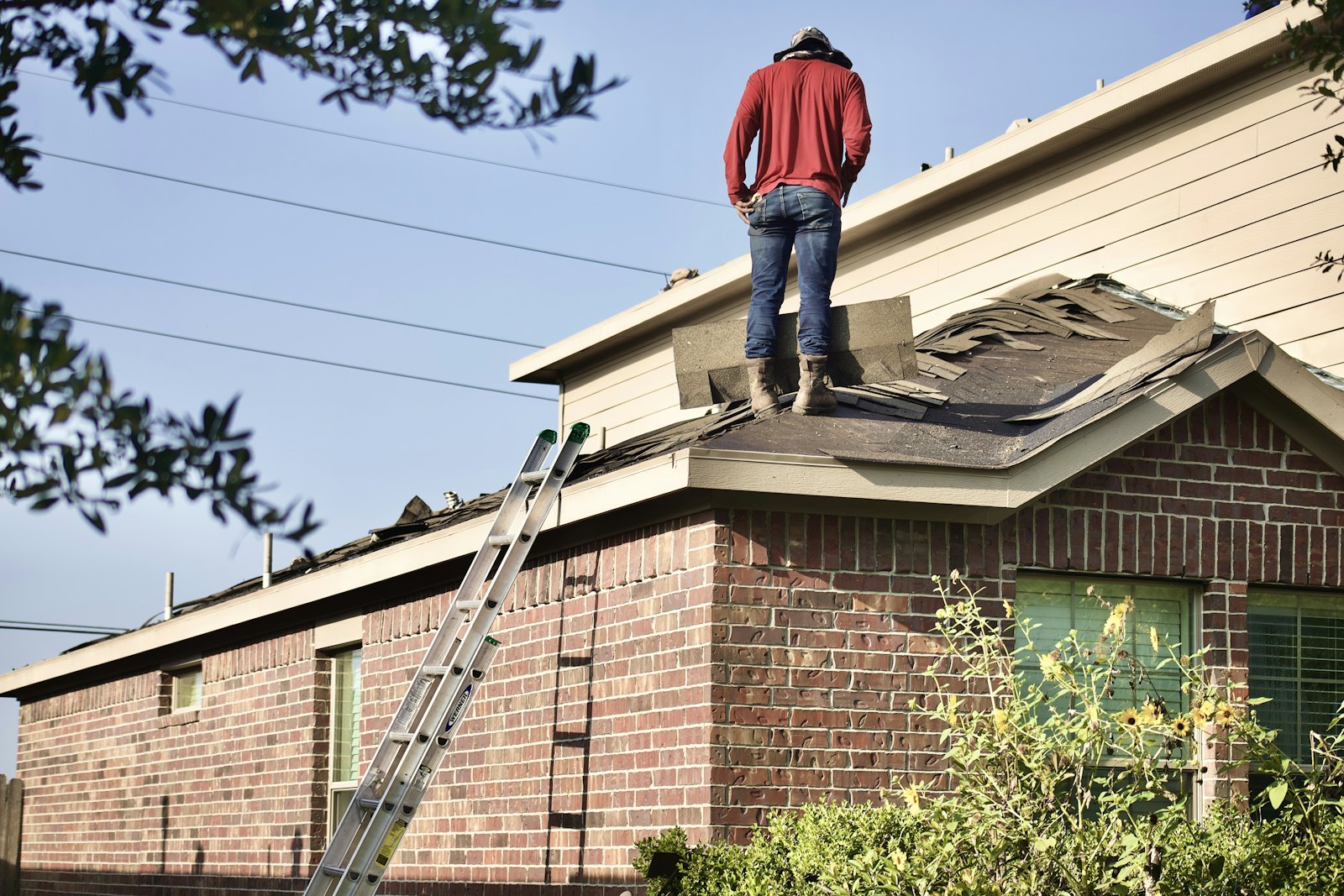
Roofing in Massachusetts starts with the slope, the edge, and the weather that hits that town. Cape wind tries to lift the tabs. Berkshire and Worcester cold builds ice dams that push water uphill under the shingles. A slate roof in an older town center fails at the flashing long before the field looks tired. Name the material and where the water showed up inside.
Look at chimney flashing, pipe boots, and the first few courses above a heated eave. Those are the usual paths, not a mystery stain in the middle of a ceiling three rooms away. Valleys full of pine needles hold ice. A low-slope porch tied into an older main roof is a seam that opens when snow slides. If you can see the attic, note wet sheathing versus a drip that only appears in a thaw.
Ask what would be repaired and what would be stripped. A second layer of asphalt over a tired deck hides soft wood until the day someone walks it. Underlayment, drip edge, and ventilation decide whether the next ice season repeats the leak. Ridge vents and boxed soffits that were painted shut change how the roof dries. Tell the caller if the house has a finished attic or an open loft.
Coastal houses need fasteners and metal that can live in salt air. Inland houses need a real ice plan at the eaves, not a patch of cement smeared over a cracked tab. Moss on a north slope in the Berkshires is a moisture clue, not a decoration. Note skylights, solar mounts already on the roof, and any cricket behind a wide chimney. Those details change the work.
Say the town, the number of stories in words, the material you can see from the ground, and whether the leak is active. Mention if ice forms every winter at the same eave or if shingles blew off in a single wind. A repair and a full replacement are different conversations. Do not wait for the ceiling to open if the attic is already wet. Call the number on this page.