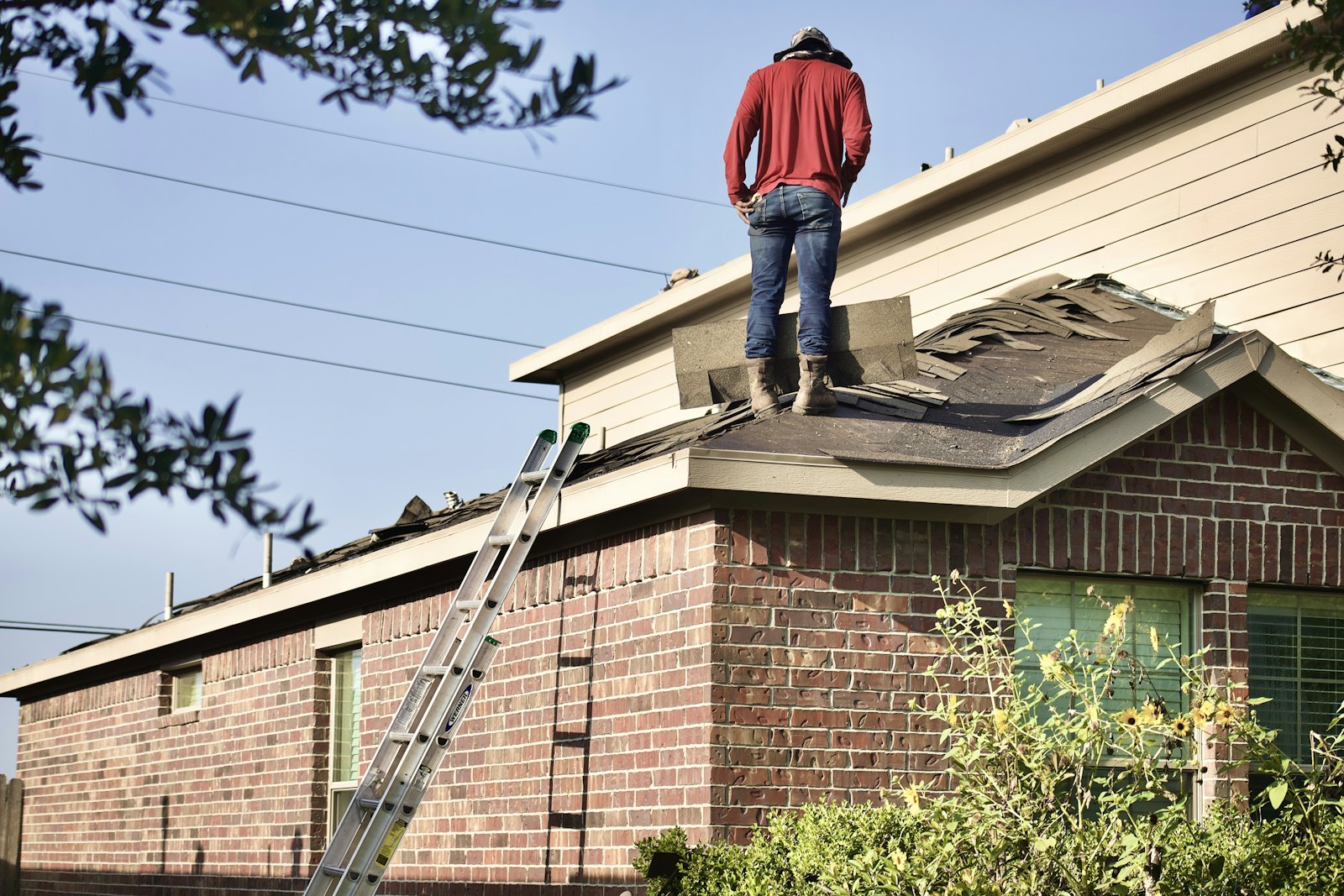
Roofing in Minnesota carries a snow pack and then grows an ice dam where attic heat meets the eave. Water backs under the shingles and shows up as a ceiling stain on a day when it is not raining. North slopes and valleys hold ice the longest. Metal sheds a sheet that can take a gutter and block a door. Asphalt on a shallower farm roof holds the pack until the deck complains. Name the pitch before you name the product.
A stain that grows in bitter weather is meltwater, not a mystery hole. Icicles over the walk are the same story. Pipe boots turn brittle and open at the thaw. Chimney flashing on older brick fails in that same week. If the ceiling is wet and every faucet is dry, say so, because that pattern is the roof. If a cabinet under a north sink is the only wet spot, you may be describing a pipe instead.
Ventilation decides whether the dam returns. A bath fan dumped in the attic, a leaky hatch, and baffles buried in insulation keep the deck warm. Say whether you have been up there. Soft decking under the eave is structure. Snow load that bowed a rafter is structure too. A low-slope porch is not the main roof. Guard the place a metal slope dumps its sheet, especially above a bedroom door.
Scope is ice protection, underlayment, flashing, and where the snow is allowed to land. Debris still has to leave a tight city lot or a long rural drive. Temporary cover matters in a thaw that arrives before the work can finish. Keep people off a loaded slope. Do not chip ice into the shingles and call that a repair. If the cabin roof and the house roof both failed, say which one people sleep under.
Lead with ice dam, snow load, or a leak you can point at, and name the town. Say whether the attic is warm. Minnesota will reload that eave as soon as the next snow lands. Call the number on this page.