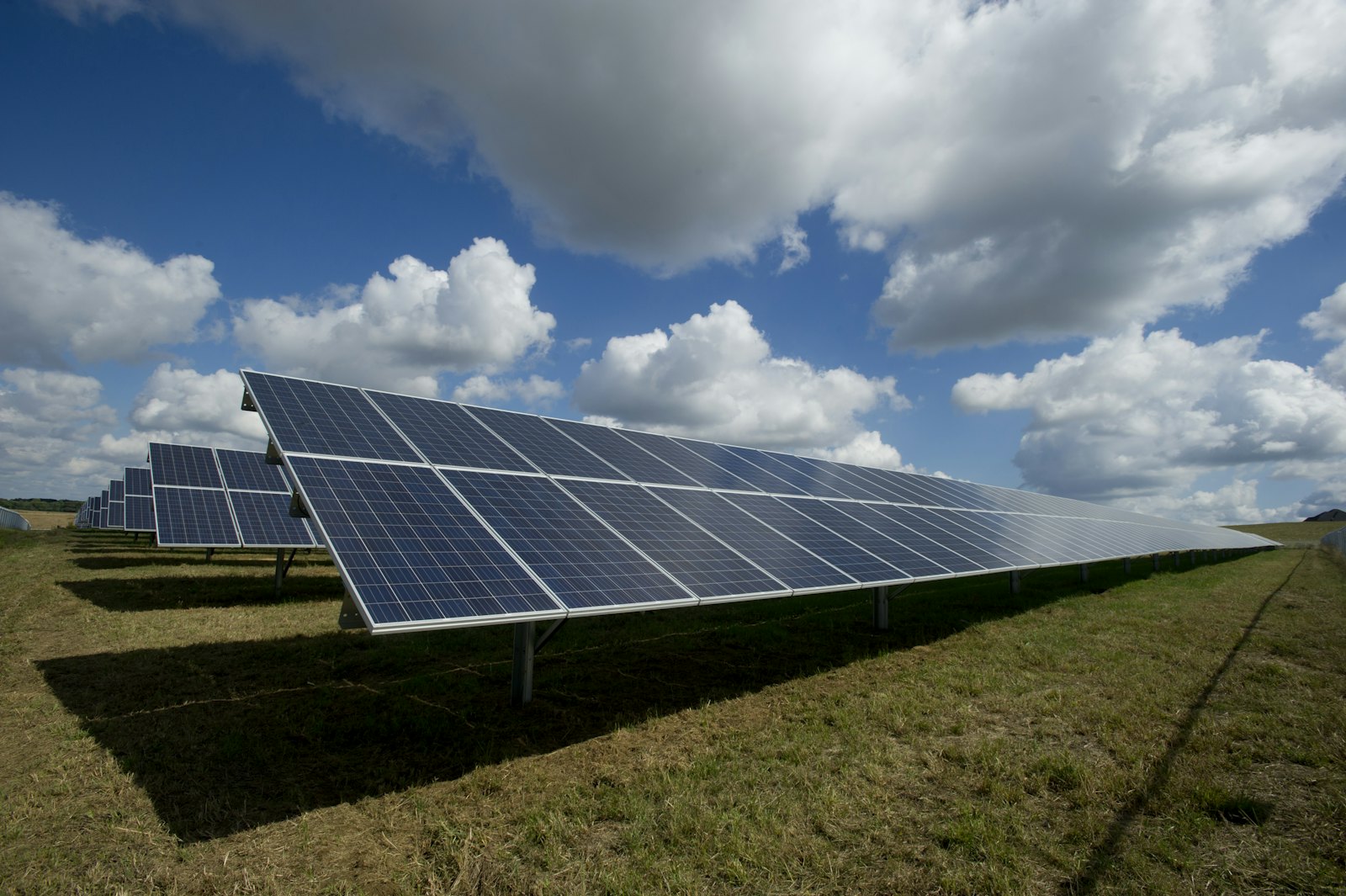
Solar in Delaware starts with the roof and the sky, which change from the northern hills to the open coast. Beach roofs may see a wide sky and still take salt wind at every fitting. Inland roofs lose hours to hardwoods and pines. The array only belongs on a covering that is sound and on a structure that can carry it. Say which landscape the house sits in before you talk about equipment.
Direction and shade decide the day. A south slope with a clear afternoon is not a north slope under trees, and a hip roof chopped up by dormers may have less clear area than it looks. Neighboring houses in the older towns throw shade that a beach lot does not. Describe the slopes, the chimneys, and the vents. Leaves on an inland roof for much of the year belong in that description.
Do not plan panels for a roof that already leaks or is ready for replacement. Attachments have to stay tight through coastal wind and through inland ice. If you know the age and the material, say both. A stain in the attic matters more than a clean overhead photo. Salt will work on metal flashings near the ocean, so the coast is not a simpler version of an inland roof. It is a harsher one.
The electrical panel is the other half. Older houses can have a crowded cabinet and a long path from the roof to the meter. The utility has to accept the interconnection before the system runs. Say whether the service is straightforward, and ask who handles that filing. Keep the call on shade, structure, and the wire, not on a model name.
Bring the county, the roof direction, the shade, and the condition of the covering. Solar in Delaware is a site question about open coastal sky, wooded inland lots, salt, and the deck under the panels. Call the number on this page.