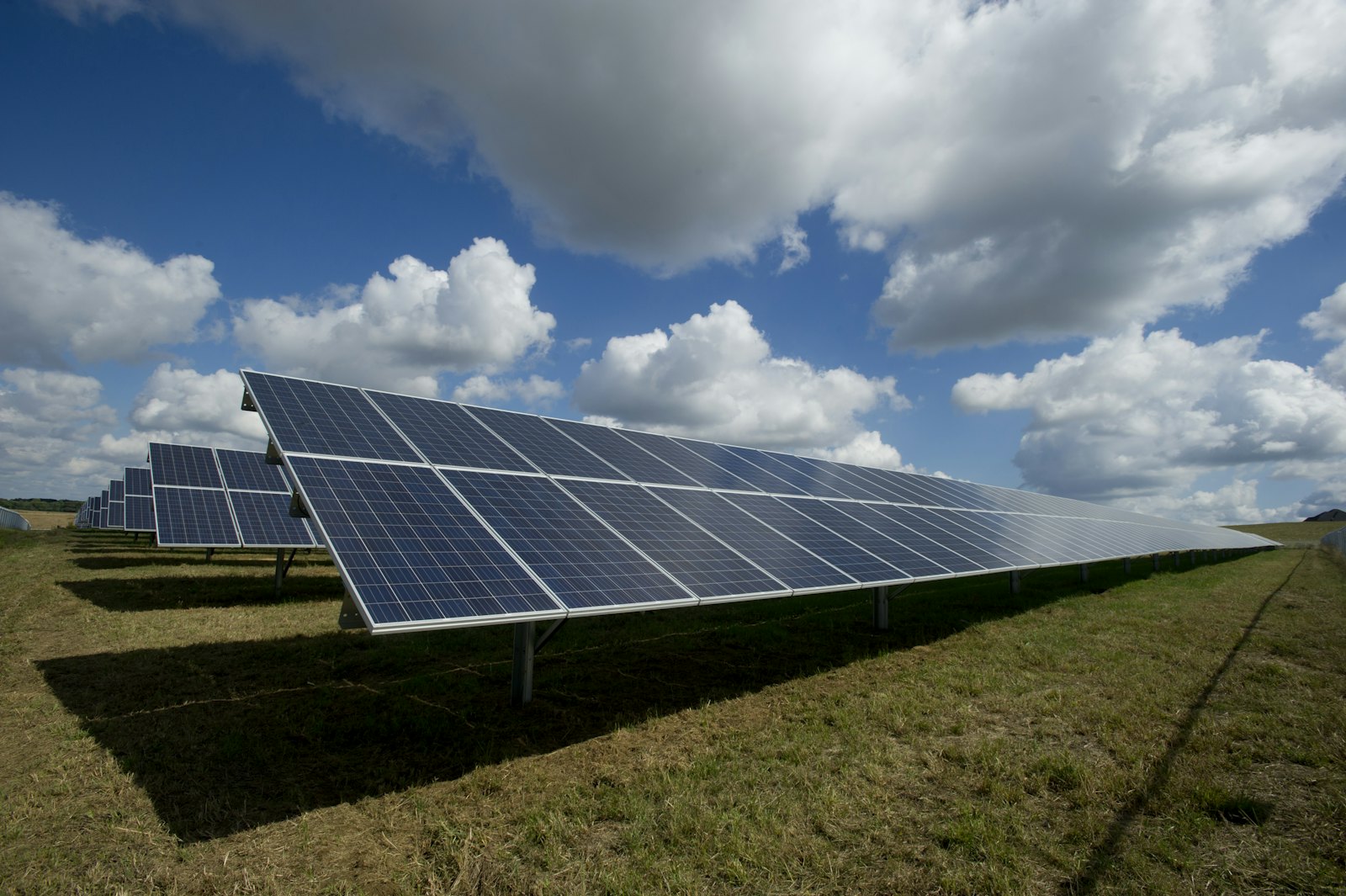
Solar in Montana has sun at elevation and a list of reasons not to fantasize about it. Western roofs carry snow for long stretches. Plains roofs take wind and, in many towns, hail. Shade from conifers kills a south slope that looked clear in a drawing. None of that is a promise about what the equipment will do, and an array is not a plan to carry the heat. The visit is the roof, the mounts, the attic, and the electrical service.
Do not attach to a covering that dams, leaks, or has brittle tabs. Snow load and a warm attic are structural questions in the mountains. Uplift is the question on an open eastern lot. Ask how the feet are flashed and what happens when the roof is replaced later. A photo from the air has not stood on a steep, snowy deck or opened a small panel in an older house. Someone has to do both. Farm and cabin services are often modest. Say what is there now.
Name the modules and the inverter. Ask who owns the equipment and who you call when the inverter is quiet. Put that equipment where it can be reached in January, not in a drift or a locked crawl. South glass and a dormer can erase the hours a brochure assumed. A shelter of pines on the west side of the state is not the same site as a bare lot on the plains. Say which one you have before the rail layout is treated as obvious.
Hail and wind are hardware questions about glass and mounts. They are not a script for clear afternoons. If a roof repair or a claim is open, finish the covering first. Attachments that block an eave already prone to ice are a bad trade. You want flashing, structure, and a service that can take the equipment. You do not want a story about the meter in a month when the roof is white.
Say the town, the age of the roof, and whether snow, wind, or shade is the real limit. Mention the panel. If the covering is tired, start there. Call the number on this page.