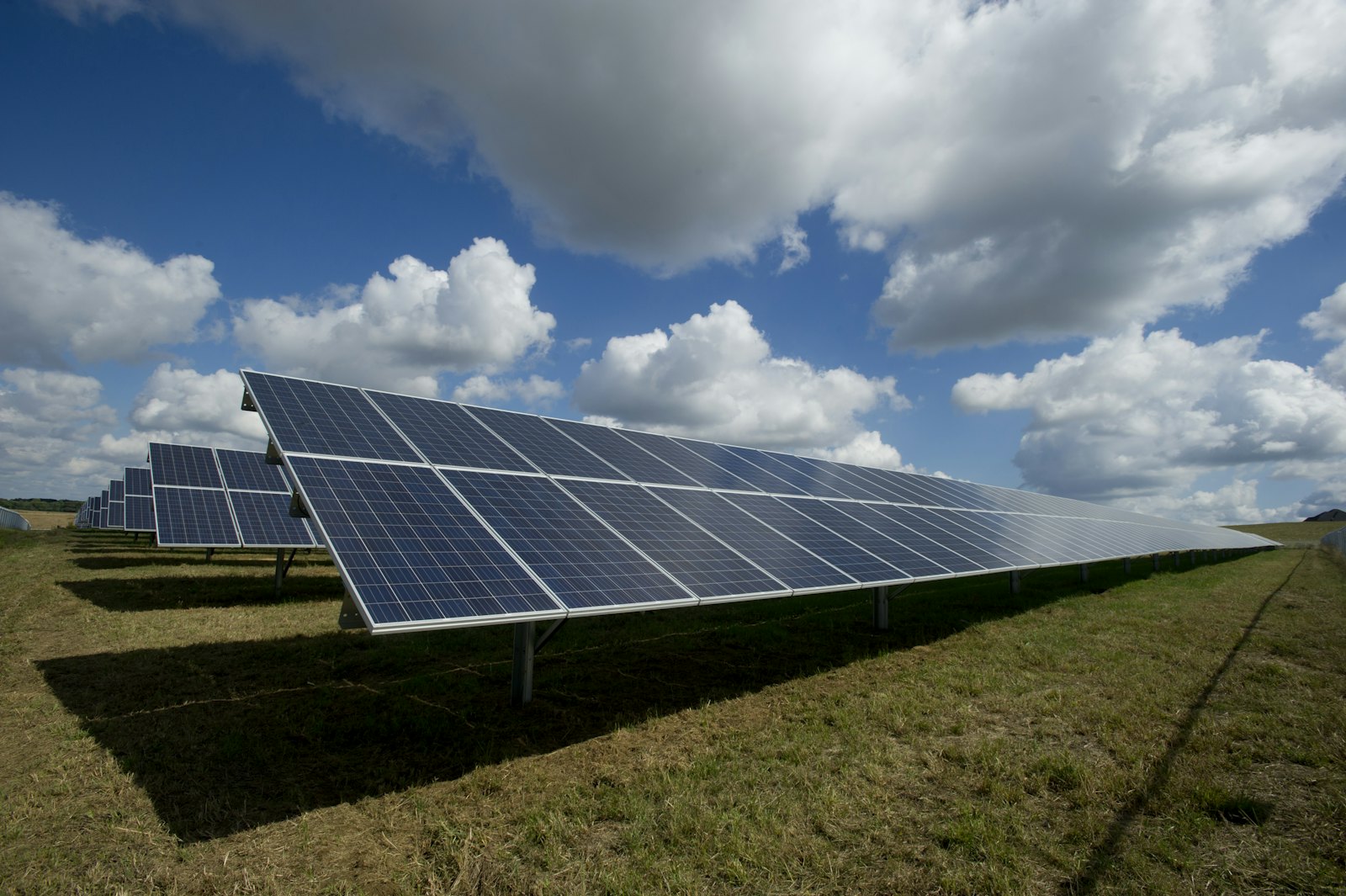
Solar in Nebraska belongs on a roof that has already survived hail, or on a roof you are about to replace because it did not. Glass on a slope takes the same ice that bruises shingles and dents flue caps. If the covering is pale, granulated in the gutters, or soft underfoot in your memory of the last leak, do not mount anything on it. The order is the roof, then the attachments, then the electrical gear.
Wind is the other design fact. Eastern lots may have trees that shade the south slope and also drop limbs on it. Western and central lots are often wide open, which means more sun on the modules and more uplift on the rails. Ask how the feet are flashed through the covering and what happens to those penetrations if the roof is replaced later. A satellite picture has not seen the deck, the soft boards, or the panel in the basement. Someone has to stand on the roof.
Older town houses often have small electrical services and plaster walls that make a new circuit a real project. Farmsteads may have room on a roof and a service that was sized for a pump and a range, not for a modern inverter. Ask what is there now. Ask whether the modules and the inverter are named, and who you call when the inverter goes quiet. Ask who owns the equipment after it is on the house.
Hail risk is a reason to talk about glass and attachment, not a reason to invent a harvest from the roof. Nobody on this call can honestly promise how many afternoons will be clear, how the next ice will treat the modules, or what your meter will do in July. Shade from a neighbor's cottonwood, a dormer, or a chimney can erase the pretty part of a south slope. Say those obstacles out loud.
Say the town, the age of the roof, and whether hail has already marked it. Say whether the electrical panel has been touched in your lifetime. If a roof claim is open, settle the covering before you talk about feet and rails. Bring the questions about ownership and equipment. Call the number on this page.