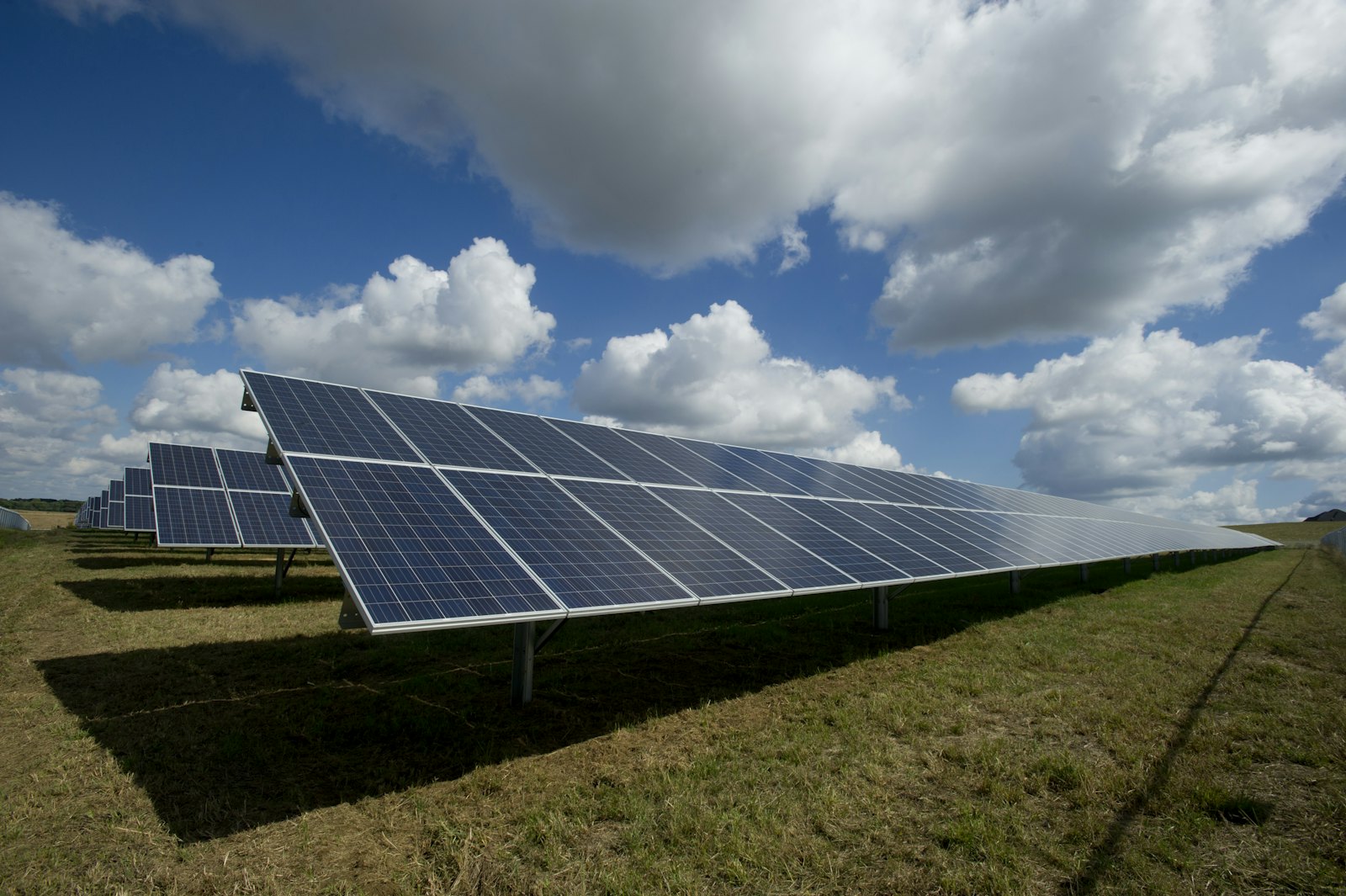
Solar in South Dakota sits on roofs the wind can already get under. Open prairie means fewer trees and a harder uplift problem on the rails. East river lots may still have a shelterbelt shading the south slope. West river roofs are often bare to the sun and bare to the gust. Neither should get an array until the covering is sound. Lifted edges and brittle tabs are a roof job first. Feet and flashing come after, not before.
Ask how the mounts are fastened and flashed, and what happens to those penetrations when the roof is replaced later. A picture from the air has not seen a soft deck or a wind-creased edge. Someone has to stand on the roof and look at the electrical equipment. Older farm services were sized for a pump and a range. Town panels fill up. Ask what is there before an inverter is named, and ask who owns the equipment once it is attached.
Hail can scar glass on these plains, and wind can work a loose mount every week after that. Those are reasons to talk about attachment and the condition of the covering. They are not a script for what the meter will do. Shade from a cottonwood, a dormer, or the neighbor's barn can erase the pretty part of a south slope. Say the obstacles. Do not let a clear-sky drawing skip the shelterbelt that is actually there.
Modules and inverters should be named, not waved at. Ask who you call when an inverter goes quiet. Ask whether the array has to come off if the windward edge of the roof is rebuilt. Ownership, the electrical service, and the order of the roof work decide the job. Fantasies about July afternoons do not. Snow and grit are part of the year, and they belong in a site look rather than a promise.
Say the town, the age of the roof, and whether wind has already lifted an edge. Mention shade if a shelterbelt stands on the south. If a roof claim is open, finish the covering before you talk about rails. Bring questions about ownership and the panel. Call the number on this page.