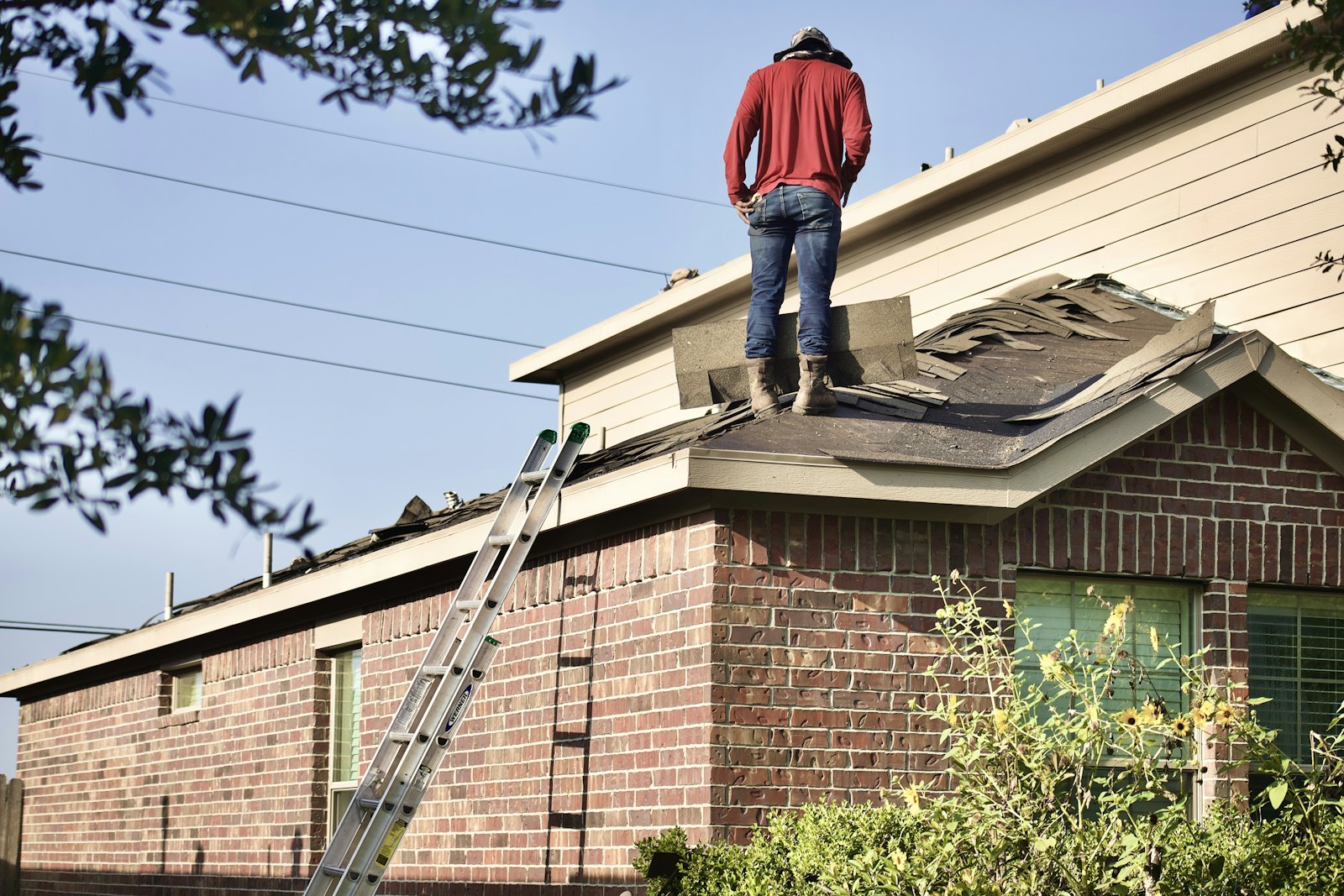
Roofing in San Jose is a long summer bake followed by rain that finds the weak joint. Tract ranches usually carry composition over a simple hip or gable, with attic heat underneath that cooks the deck from both sides. Some houses have tile. Older bungalow blocks have more cut-up planes, dormers, and trees over the ridge. The mineral surface thins, tabs curl, and pipe boots crack while the sky stays clear. When winter rain arrives, it is a test, not a lifestyle. A roof that survived the hot months on looks can still fail at the first steady wet day.
Read the gutters and the attic, not just the street face. Grit in the downspout, shiny spots where granules are gone, a lifted edge on the west slope, and a stain at a valley are the local clues. Penetrations for cooling vents and bath fans are everywhere on these ranches, and they leak at the boot while the field still looks even. Additions create tie-ins that move as the attic cycles from hot to cool. Shade from a mature street tree keeps one plane damper and droppings and leaves hold moisture there. The sunny plane ages faster. They can need different attention on the same roof.
Do not throw a coating at a baked field and call it done. If the deck is soft or the leak has stained the insulation, the surface story is already over. Tile, where you have it, fails at the underlayment and the flashing, not at the tile you can see from the driveway. Ridge vents and powered fans mean more holes in the roof, each one a future stain if the flashing is tired. Wind is usually milder than on the coast, so the enemy is sun, then water. Plan for both seasons or the repair lasts until the next August.
Call with the material, the age you feel in the surface, and where it faces. Mention attic stains, grit, tree cover, or a west slope that curls. The work should match a San Jose roof that bakes, then has to shed real rain.
Call the number on this page.