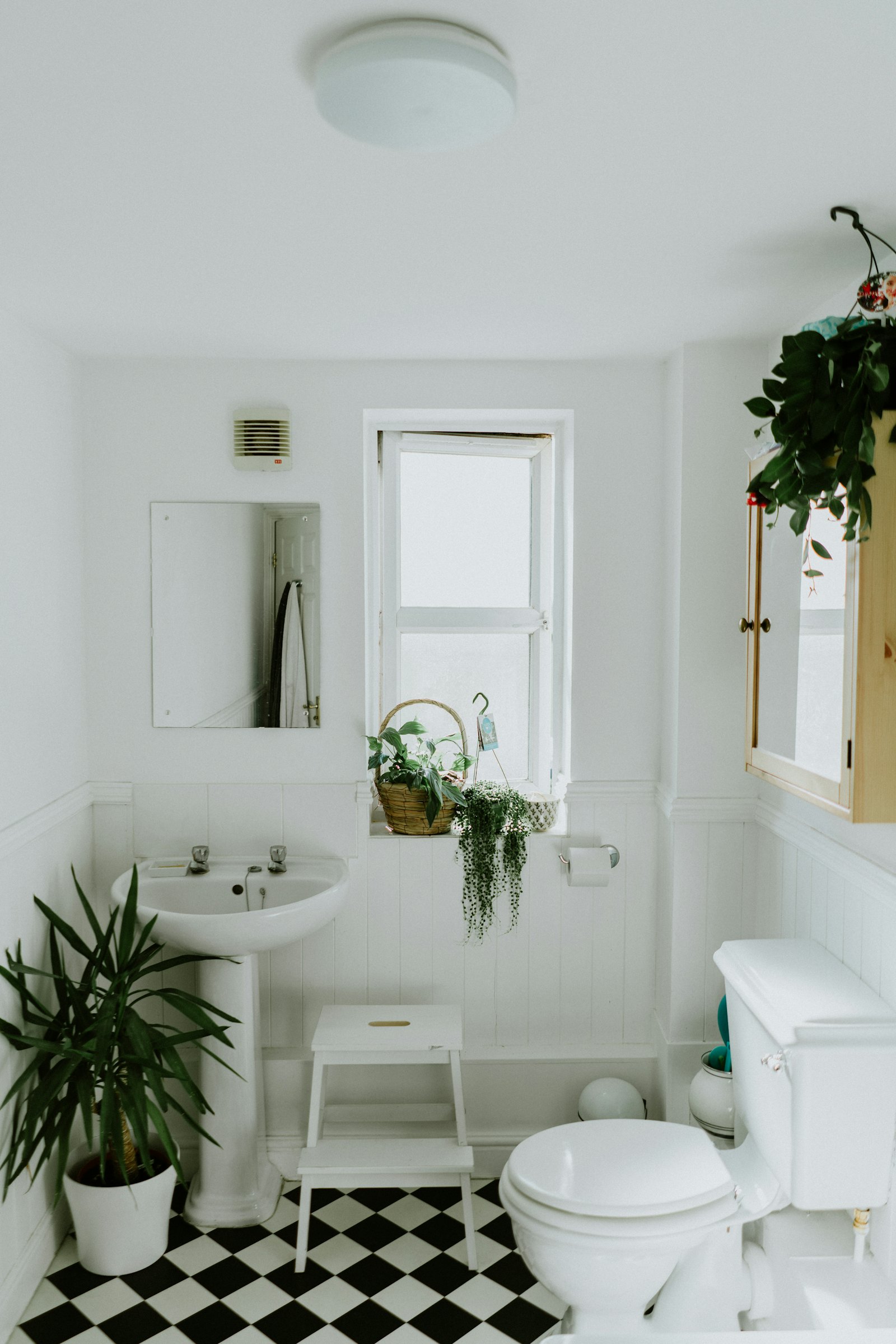
Bathroom remodeling in Wilmington usually means an older bath in a brick house, sometimes tight as a row, sometimes larger on the hills, almost always damp in summer. Fans that vent into an attic instead of outdoors are common. Plaster and old tile move. A house cut into the fall-line slope may have the bath on a floor that is half basement. Say which room and whether it is the only full bath.
Expect older supply lines and a cast-iron stack in the houses that have not been opened in decades. Moving a fixture can mean a floor that is also the ceiling of the room below, especially in an attached house near the rivers. If that ceiling is stained, call it a leak that became a remodel. A hillside house may have more room and still hide a shower against an exterior stone or brick wall that sweats.
The fan and the pan matter more than the finish. A shower spraying a wood window, grout that stays dark, and a floor soft at the tub are the real openers. River humidity will test any bath that cannot exhaust. If you want to drop the tub, say so, and say whether the stack has to stay where it is. The geology outside does not give you a bigger chase inside the walls.
Debris leaves by a stair, a narrow side yard, or a city sidewalk. Mention that if the house has no easy side access. A basement bath on the low side of a fall-line lot may need a pump because the sewer is above the fixture. Lead with the failed part and the size of the room. Save the surface choices for later.
Say repair or gut. Bathroom remodeling in Wilmington is a wet room in a brick house on the fall line, with river damp in the air and old stacks in the walls. Call the number on this page.