






Indianapolis runs all four seasons on one flat city, and none of them is a rumor. Winter freezes pipes and then thaws into rain instead of leaving a snowpack for months. Spring storms throw wind and hail across open stretches of the metro. Summer nights stay humid, and attics bake. The White River and the clay under the lots decide where water sits. It is a full year, compressed.
Older blocks still have brick, plaster, bungalows, and alley garages. A low addition holds ice where it meets the original wall. Newer edge subdivisions bring attic ducts, builder-grade windows, and sprinklers that have to be blown out. Both sit on clay that heaves walks and wets basements. Say which house you have before you name the failure.
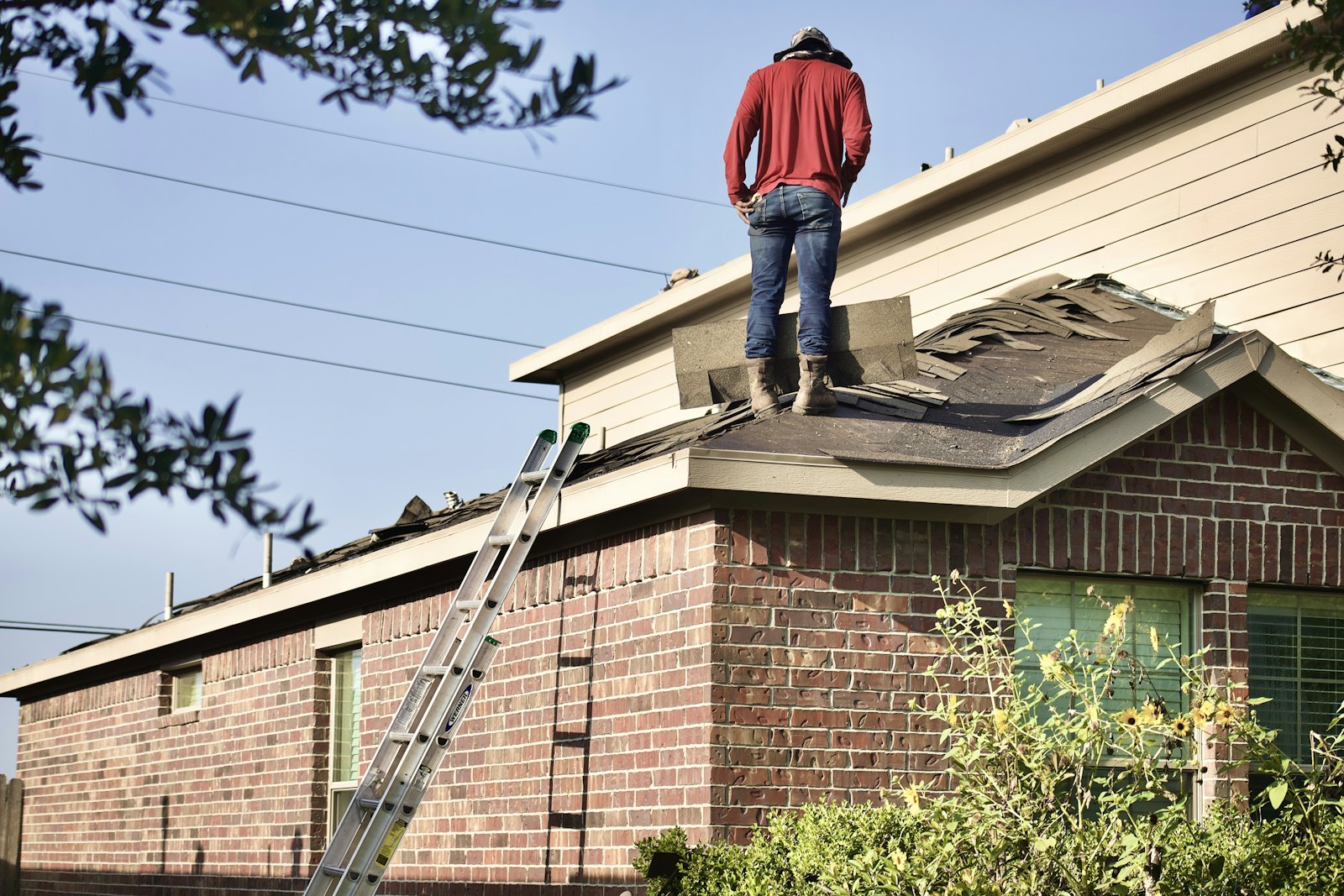
Heat gets its test on the first hard night and again when a thaw refreezes an outside-wall pipe. Roofs get theirs from hail and from ice letting go. Cooling gets tested when upstairs air stays heavy. Mice come with the first cold. Termites remain a warm-soil issue. Every hard rain asks whether the flat lot drains or simply leans at the basement.
Start with Indianapolis, the trade, and what failed. Hail on a roof is not a furnace that will not light. A fogged window is not a deductible talk unless the same storm opened the house. If a claim is possible, leave the damage in place and photograph it from the ground. The gentle stretch you are waiting on is short here.
Freeze, hail, humidity, and clay are already writing the list. Match the trade to the room, the roof, the yard, or the policy. Low ground near the river and a higher side street will not take the same rain. Say old block or new subdivision so the failure is not a guess. Pick the trade and call.