



Kentucky heat sits heavy, and the winter after it is wet cold and ice more often than a months-long snowpack. River valleys hold humidity overnight. The Bluegrass rolls between older farmhouses and newer houses on former pasture. Eastern hills are steeper, shadier, and slower to dry. Western counties open up and still stew through summer. This is a moisture state that sometimes freezes, not a lake state that sometimes thaws.
Housing follows that map. Brick and frame houses in the towns mix with crawls that never quite stop sweating. Basements show up too, and clay sends storm water at them. Hollows in the east put older houses on slopes where a gutter miss becomes a foundation problem. Farm lots take wind with a long fetch. Newer subdivisions at the edge of towns bring attic heat, builder windows, and irrigation that still has to be emptied before a hard night.
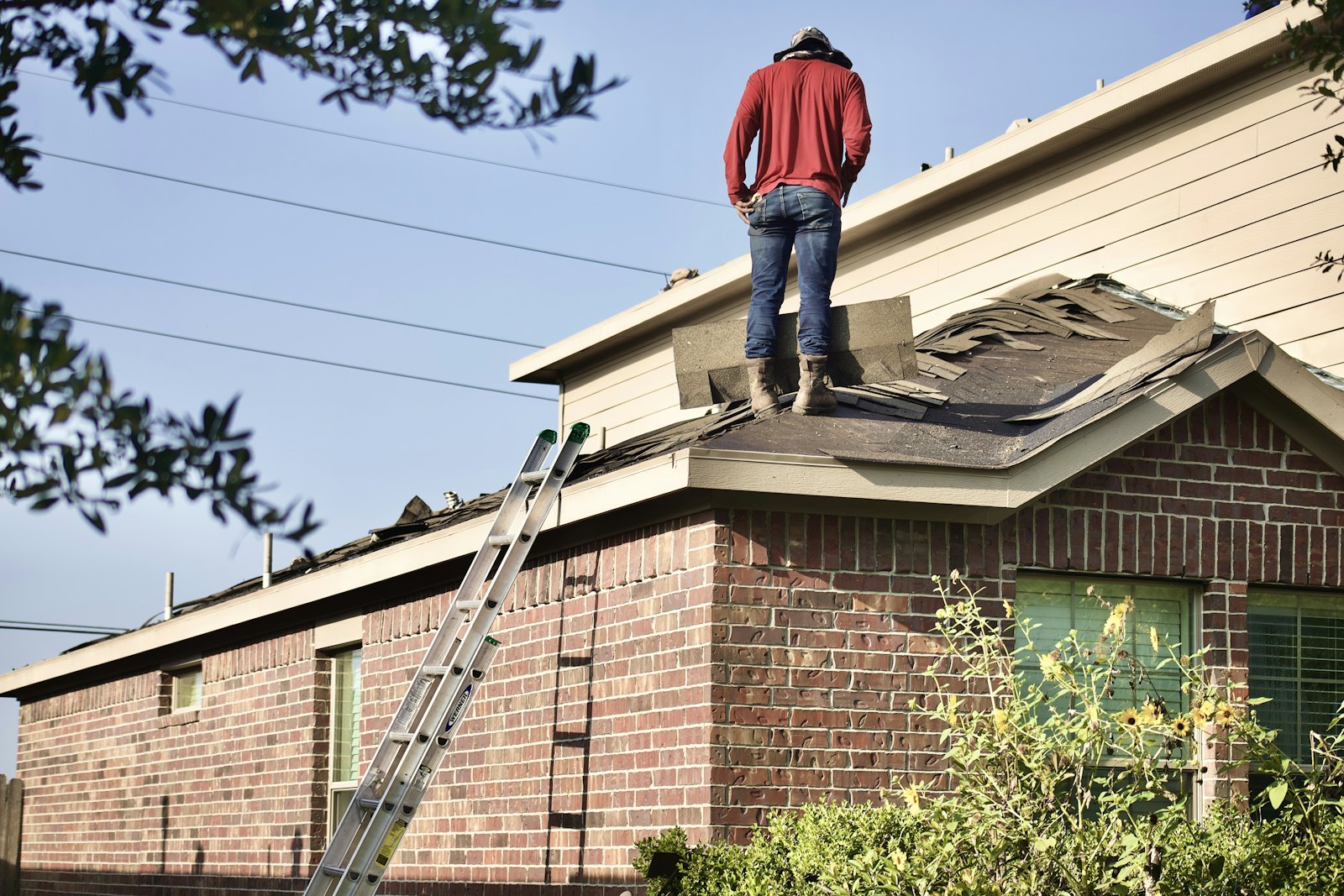
Roofs grow algae and soft decking because they stay damp. Windows swell and then gap when a dry cold finally arrives. Baths and attics trade moisture all summer. Termites and ants are a real season here, not a rumor from farther south. Mice still move in when the first ice hits. A pipe on an outside wall can burst on the occasional hard freeze, then the humidity returns and hides the stain. Say which of those you are looking at.
Have the town first, because a hill house and a river-bottom house do not fail the same way. Say heat, water, a leak, pests, or your policy and the deductible you hold. If a claim may follow, leave the damaged finish and photograph from the ground. Heavy rain is ordinary. So is a sticky night that never cools the attic. Do not describe this as a northern snow job.
The air will not dry out because you waited a week. Match the trade to the rot, the roof, the crawl, or the policy. Name the part of the state so the work matches the humidity you actually live in. Pick the trade and call.