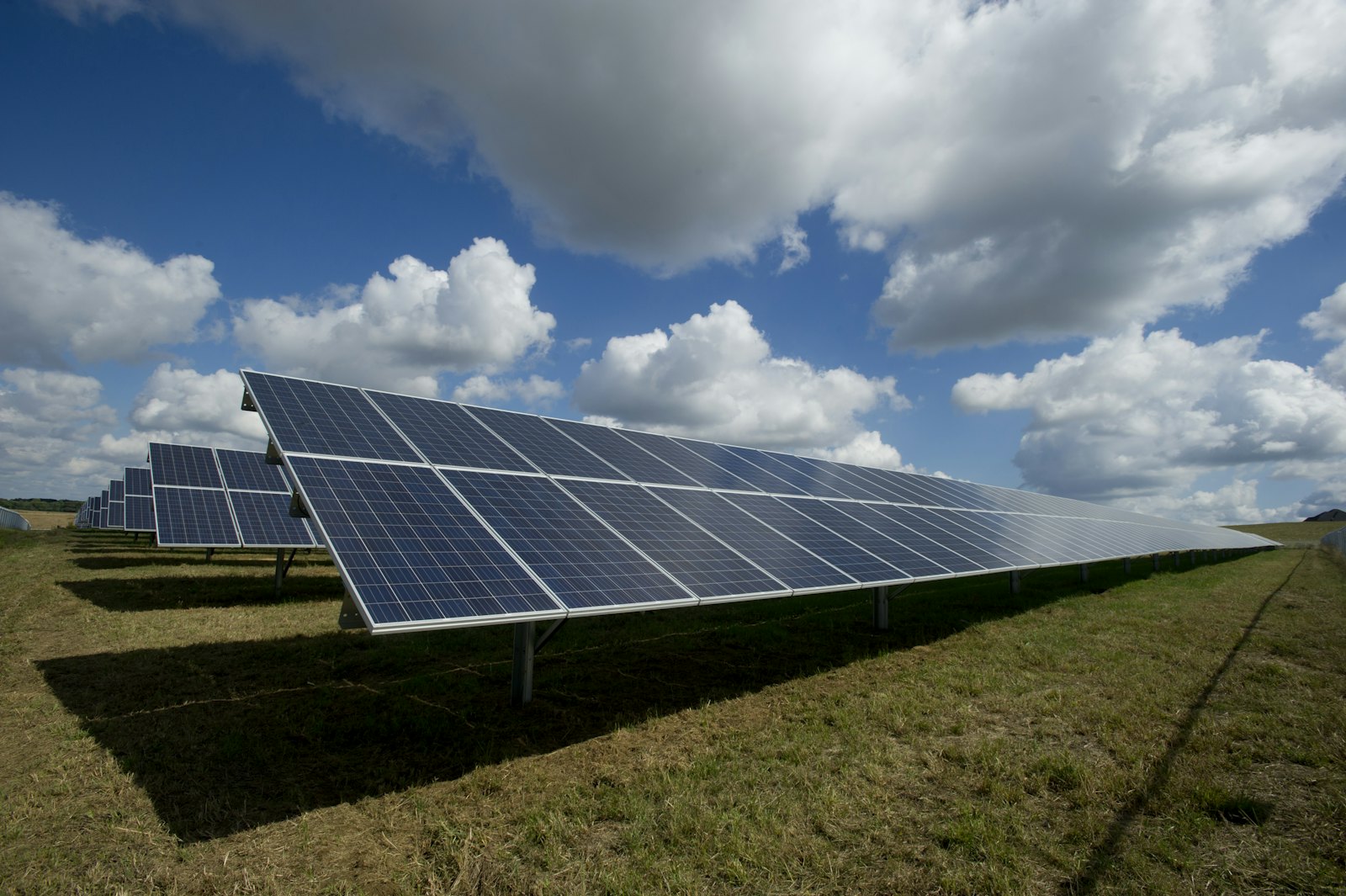
Solar in New Orleans has to survive wind-driven rain, live oak shade, and roofs on houses that were not framed for a casual rail. A soft gallery roof, spaced sheathing, or a slope already leaking in a blow is the subject. The sky is not the subject until the deck is sound. Say what the attic wood looks like.
Uptown and Garden District oaks erase sun on planes that face the right way on paper. Shotgun roofs are long but broken by vents, chimneys, and porch tie-ins, and the useful piece may be small. Gentilly, Lakeview, and New Orleans East ranch roofs are simpler and more exposed to uplift when the wind crosses open ground. A camelback dumps a valley through the middle of the best area. Metal, slate, and asphalt do not take the same attachment. Say which surface you have.
Every penetration is a leak in horizontal rain. This air does not dry a wet board quickly, so a missed flashing becomes a plaster stain on the first real blow. Termite-hollowed gallery framing will not hold a mount. An inverter in a low hot attic lives next to the same heat that punishes the air handler. Electrical panels in older houses are often already full of window-unit circuits.
Do not set equipment on a nearly flat porch roof that already holds water against the wall. Do not ignore lifted edges you can see from the gallery. Hail is less the local habit than wind, and wind works on boots, edges, and any new hole. If the ceiling already maps a leak after each storm, the roof is the project. Hardware in wet air films and stains. Attachment and shedding water matter more than a drawing of an ideal slope.
Call with the neighborhood, the roof, and the shade. Raised shotgun under oaks, slate on a large house, or a slab-ranch plane in the East. Say whether wind already drives rain into a ceiling and whether the attic framing is solid or soft. Mention a full panel if you have seen it. This is a structure and weather call for a low city. Describe the plane that would have to take the rail and the rain. Call the number on this page.