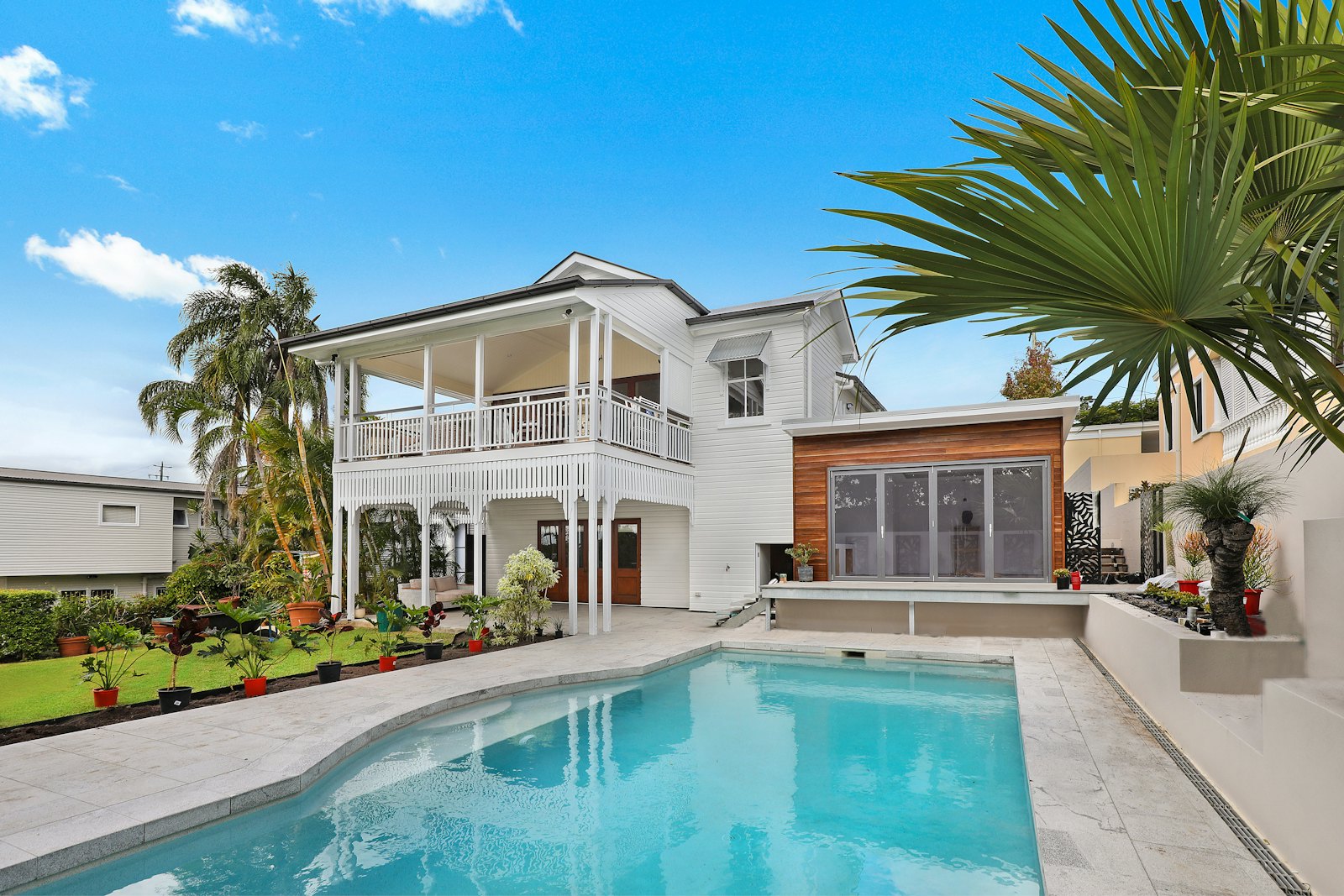
Home insurance in Portland, Maine, is the policy on a house that takes Atlantic nor'easters on a peninsula, not a rainy season of soft mist. A West End brick house, a Munjoy Hill wood house, and a place toward North Deering do not share the same wind or the same rebuild. Read the dwelling limit against the building, not against an old sale. Know whether you own the whole house or one unit. The declarations page has the limits and the deductibles.
Ask whether the wind deductible differs from the base deductible. Rain driven up under shingles in a hard blow, then frozen in place, is a different story from a stain that grew through several quiet seasons. Say when you first saw water and whether it arrived with the storm. Loss of use matters if the house cannot be lived in while plaster dries in weather that is still dropping below a freeze at night. Belongings are their own line.
Flood, surge, and water that comes up on low streets near the harbor or Back Cove are often outside a standard homeowners policy. Do not fold that into a general nor'easter story and hope it is the same coverage as a torn shingle. Ask directly. A prior claim on the same roof or the same cellar belongs in the call. So does a top-floor rental under a roof you do not control, if that is your situation. Speak only for the policy you hold.
You are talking about your policy, your deductible, or your claim. A renewal before the next coastal season is not the same call as a wet room the morning after the wind. The timeline is yours. Include the neighborhood and how exposed the wall is, because Munjoy and a sheltered street off the peninsula are not the same risk sentence. Keep age and a sudden drive of rain distinct.
Give the neighborhood, the building, and whether you are renewing or reporting. Ask what the policy leaves out before you treat every coastal storm as fully covered. Have the first day and the direction the water came from. Call the number on this page.