



Baltimore is a rowhouse city on the Patapsco, and the house on your block is likely sharing walls, a run of marble or concrete steps, and a roof that has to drain in a narrow slot. Winters freeze, and a north slope holds ice while the harbor side of town stays damp. Formstone, painted brick, and bare brick can show up within a short walk of each other.
Some roofs are steep and shingled. Others sit low behind a parapet, with a rear addition tied on years later that never quite matched the main house. English basements and cellars take water when the alley drains slowly or the Jones Falls side of town gets a hard rain. The interior is long and narrow, so one stack, one stair, and often one full bath do the work of the whole house. An end unit has a weather wall that a mid-block house does not.
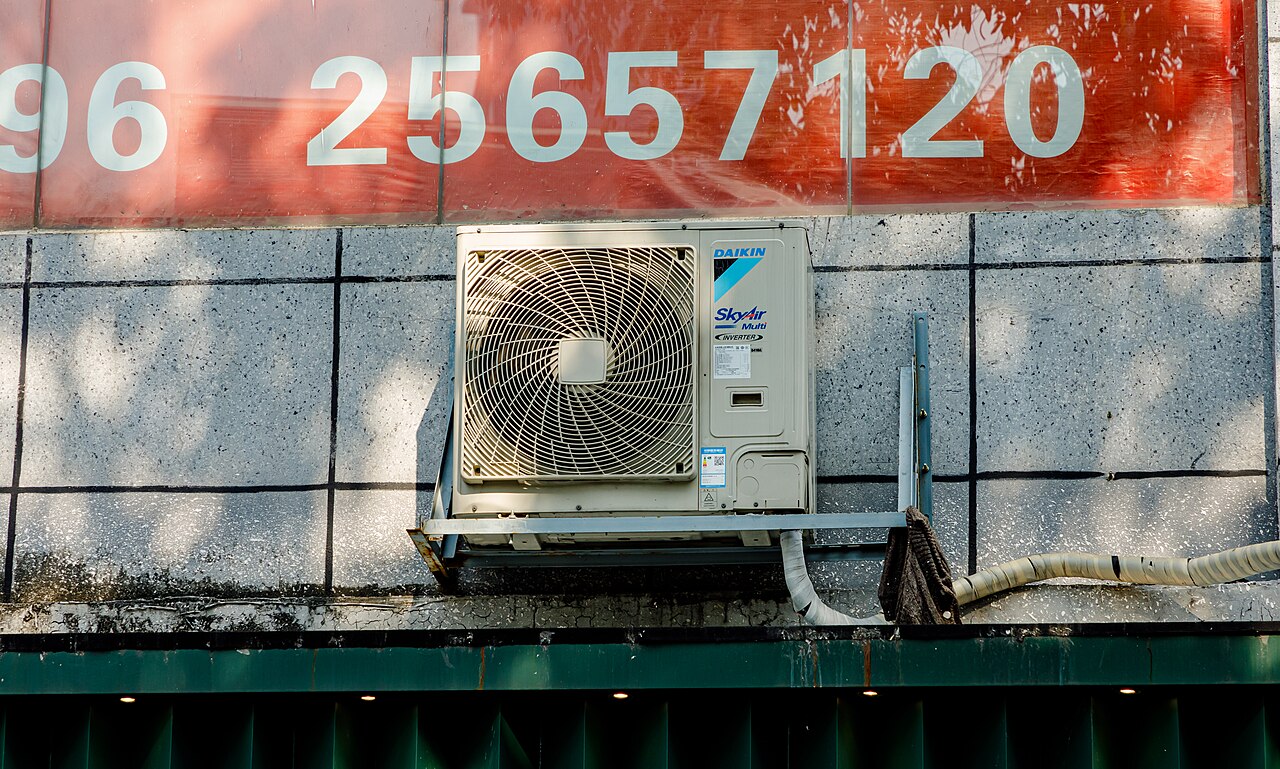
Alleys are part of the building, not a blank behind it. Condensers, downspouts, trash, and the back edge of the roof all live there. A leak where the addition meets the old wall, a line on the alley side that freezes, and a fan that dumps into a tight attic are ordinary failures here. Street trees and heaved steps tell you the ground moves, but the call that matters is the one about water, heat, pests, or the shell of the house itself.
You do not need a speech about every floor. Stand at the front door and name what failed: the roof, the windows, the bath, the heat, pests, the water, the scrap of yard out back, the policy, or the sun on that roof. Say whether you are mid-block or on the end, and whether the roof is pitched or flat behind a wall. Those two facts change the trade before any other detail does.
Baltimore rowhouses fail in local ways: party-wall flashing, ponding on a low roof, heat stuck on the top floor, pests that use the alley, and basements that drink a storm. A detached house on a greener block is a different building, and you should say so if that is what you have. Bring the symptom and the kind of house. Pick the trade and call.