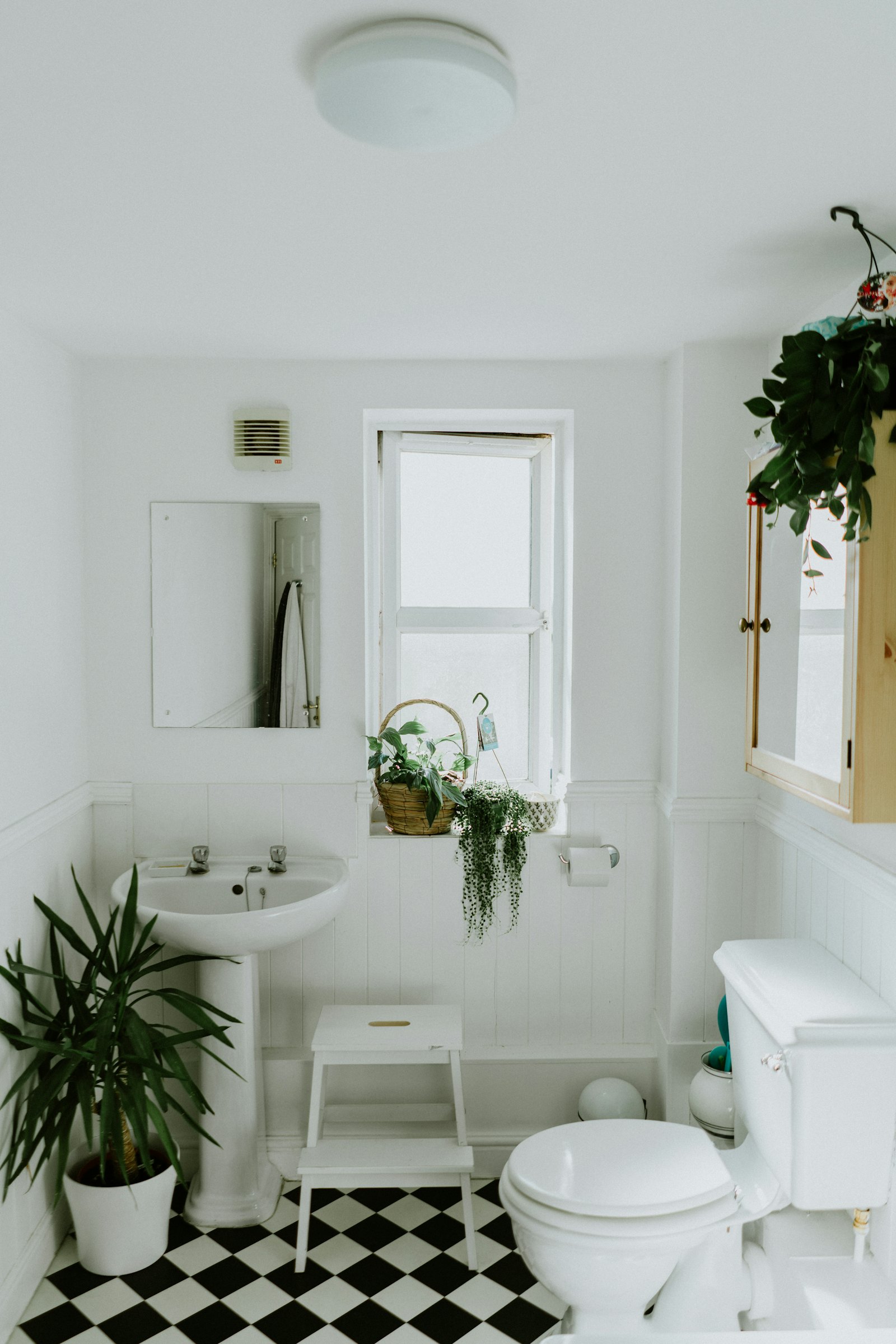
Bathroom remodeling in Jackson often means a small Fondren or Belhaven bath, a soft floor, and humidity that never lets the grout dry. A slab bath in Eastover or the northeast hides water under the pan instead of in a joist you can see. Say which house you have before you talk about tile.
Cottage tubs sit on wood that has taken splash for decades. The overflow weeps, the subfloor darkens, and the plaster at the baseboard blisters. Fans blow into a low attic or a joist bay, so the deck above the tub is wet and the roof gets blamed. On a slab, clay movement opens a joint at the pan or racks the room so the door drags and the tile cracks in a line. New grout on either kind of failure is paint on a rotten story.
Cast iron stacks and old supply lines run in tight chases. If the valve weeps or the drain has been staining the floor below, opening the wall is the job. A vanity against an exterior wall in a cottage wicks water into the sill. Added baths tucked near a kitchen stack may have a fan that does not actually leave the building. Smell in the closet next door is a clue worth mentioning.
Go look underneath if you can. Dark joists, white crust, or a drip at the trap tells the truth on a pier or crawl house. On a slab, a loose doorway tile or a warm spot is what you get instead. Say whether the footprint must stay small. Say whether doors and cracks elsewhere in the house move with rain, because a bath remodel that ignores a moving slab will crack the new pan too.
Call with the neighborhood and the level. Main floor of a cottage, upstairs under a hot roof, or a slab bath on clay. Say what is soft, stained, or hollow, and whether the fan grille is black. Mention plaster versus brick veneer. Mention if the ceiling below already shows the water. The trade needs the wet floor and the wet wall. Fixtures are the last sentence, not the first. Call the number on this page.