

Cleveland winters come off Lake Erie already full of snow, wind, and ice. The cold is not a brief inland snap that melts by afternoon and forgets itself. It sits. It loads roofs, freezes gutters, and finds every gap in an older wall. A gray stretch can outlast the patience of a furnace and the patience of a pipe on an outside wall. Summer still turns humid, but the long season is heat, ice, and thaw.
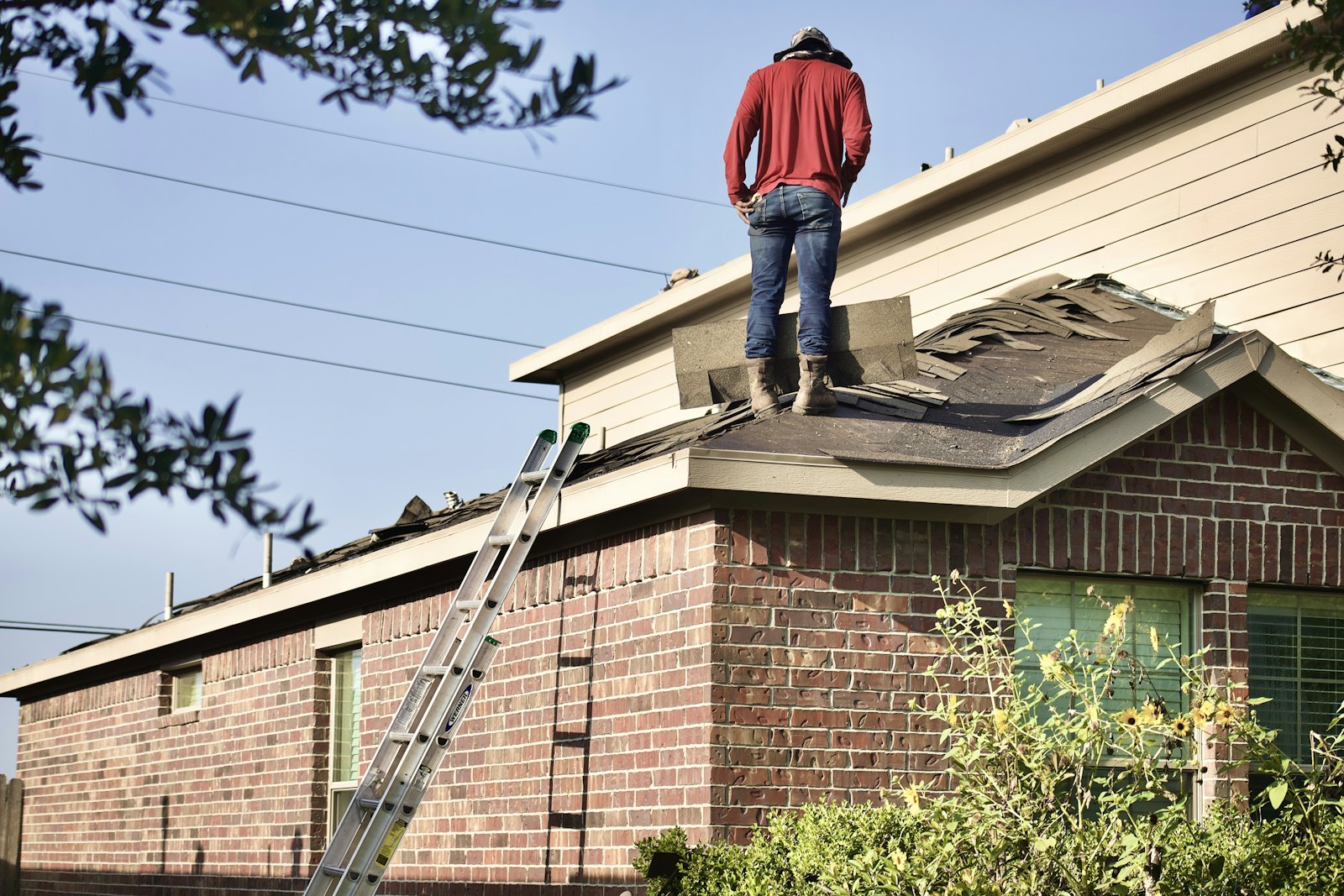
The housing is older and close. Doubles, brick houses, and frame houses sit on narrow lots with basements and steep roofs. Additions and porch roofs create pockets where ice dams form against the original wall. Chimneys crack at the shoulder. Galvanized lines and cast iron drains are still in plenty of those basements. Salt from the road and spray off the weather work on metal, masonry, and anything left outside.
The failure list is written by that lake. Furnaces and boilers run and run. Roofs grow icicles on the eave while the attic leaks warm air. Windows weep and then freeze on the stool. Mice come in at the first hard blow. Clay and tight grade send melt at the foundation when the pile finally lets go. A calm week is not the plan. The next squall is the plan.
Say Cleveland, the trade, and what failed. No heat is not a fogged sash, and a ceiling stain after an ice dam is not a deductible question until you decide it is a claim. Photograph from a dry window or the ground. Know the main water shutoff. If a claim may follow, leave torn shingles and wet plaster where they are. Stay off a snow-loaded slope.
Do not wait for a long mild spell to dry the house out. The lake will reload the roof. Match the trade to the room, the boiler, the pipe, or the policy. Pick the trade and call.