HVAC in Richmond has to dry a long, humid summer between the coast and the foothills, then heat a brick house through a cool winter that sometimes ices. Top floors under dark roofs bake. Basements stay clammy. Radiators still heat many of the older blocks. Ducts in later houses run through attics that punish the air before it arrives. Say which system you actually have, including window units if that is the truth.
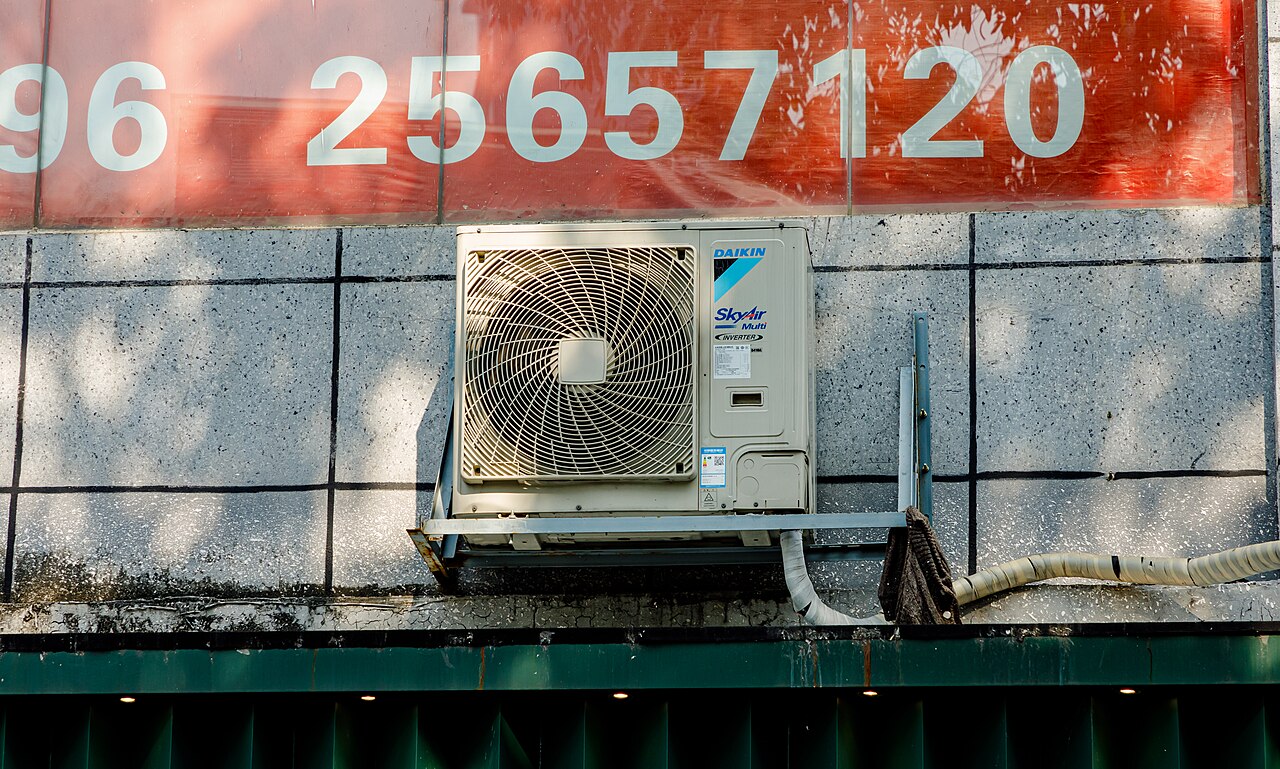
Outdoor equipment on tight side yards and alleys loses airflow. Shade from the big trees helps the brick and can smother a condenser. Inside, a tall Fan house or a Church Hill house can be hot above and damp below on the same afternoon. A thermostat in a hallway will lie. Pollen loads filters from spring into summer. Brick holds heat into the night. That is a Richmond habit, not a defective thermometer.
Describe the bad floor and the symptom. No cool air, short cycling, ice on the line, a smell at first heat, or a rear bedroom that never settles. If the ducts are in a crawl space on clay, say that, because the air down there is damp. Do not guess the part. A dirty filter and a blocked return can imitate a failed machine. Fuel belongs in the call if you know it.
A checkup before the humid season and a no-heat morning are different jobs. The city is not the mountains, so the heating season is shorter, but the cooling season is serious and wet. Radiators plus a window unit should be described as what they are. Party walls in the old blocks are not a cooling strategy.
HVAC in Richmond is river humidity, brick that stores heat, and equipment asked to serve tall old houses between the coast and the foothills. Call the number on this page.