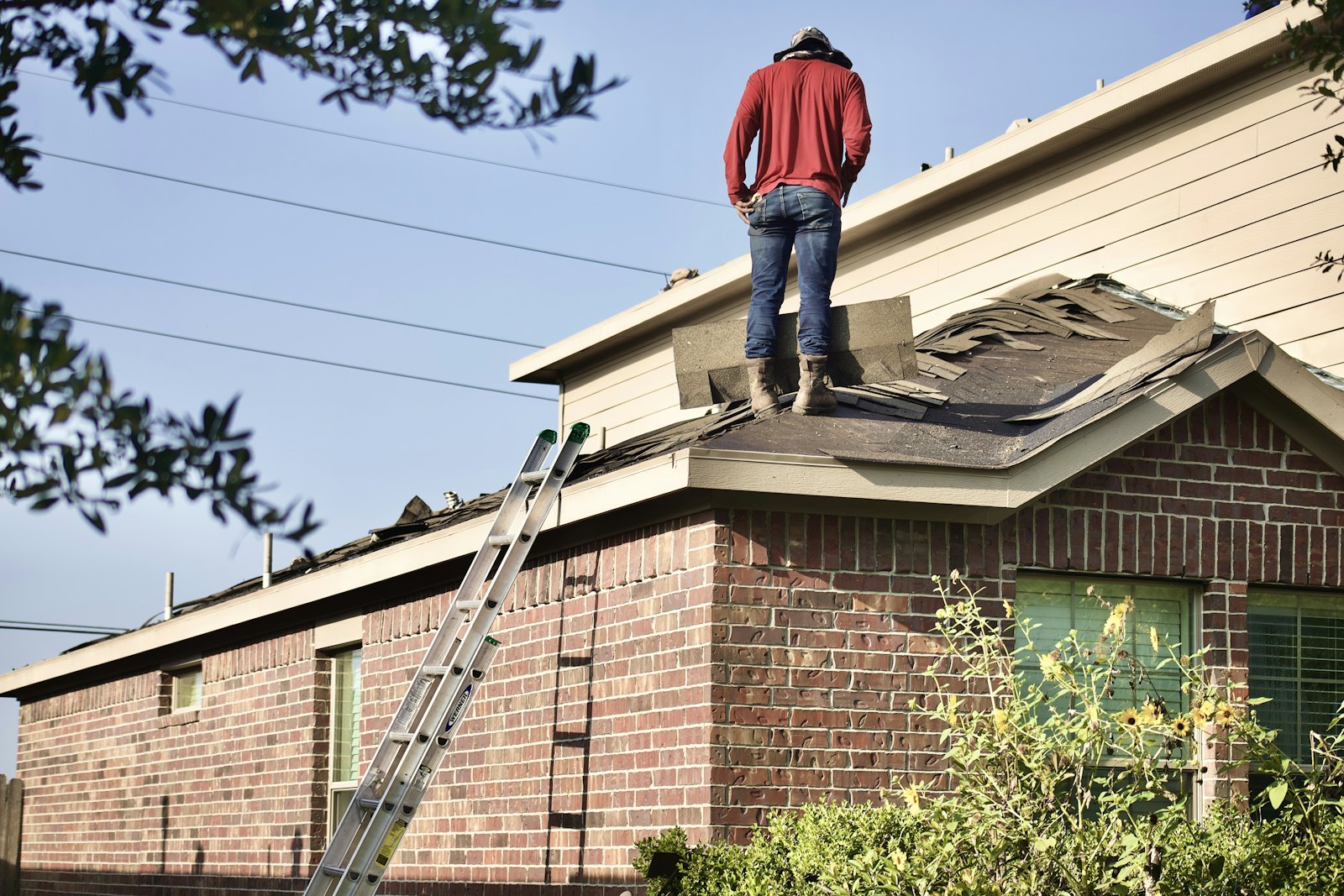
Roofing in Charleston starts in the Kanawha Valley, on older West Virginia houses that take ice in winter and shade from the hills the rest of the year. Valley-floor roofs stay damp in the fog. Hill roofs take wind along the river gap and moss on the side that faces the slope. Metal and asphalt both show up. Additions and porch roofs fail first. Say floor of the valley or side of the hill.
Flashing into brick and the seam at a later wing are the usual leaks. Ice backs under the eaves on a cold snap that the valley still gets. Leaves from the hillside pack the valleys of the roof. A low spot stays wet because the sun never clears the ridge. Tell us if the stain shows up on a thaw, in a summer downpour, or after foggy weeks that never quite dry the surface. The timing points at the cause.
Access may be a steep street in South Hills or a tight lot in Kanawha City or on the West Side. Do not walk an icy or mossy slope to be thorough. Several old layers are common on these houses. If you can see the attic, say whether the wood is dark at the eaves. Gutters full of debris from the hill are part of the leak. A claim can follow after the water path is described.
Note soft fascia and any patch you already know about. The shady face ages faster than the face toward the river gap. That is a Charleston fact, a Kanawha Valley fact, not a beach fact. Tree limbs over the roof belong in the call. So does a porch that was tied on and never flashed like the main house.
Say repair or replacement. Roofing in Charleston is ice, fog, and hillside shade on older houses in the Kanawha Valley. Call the number on this page.