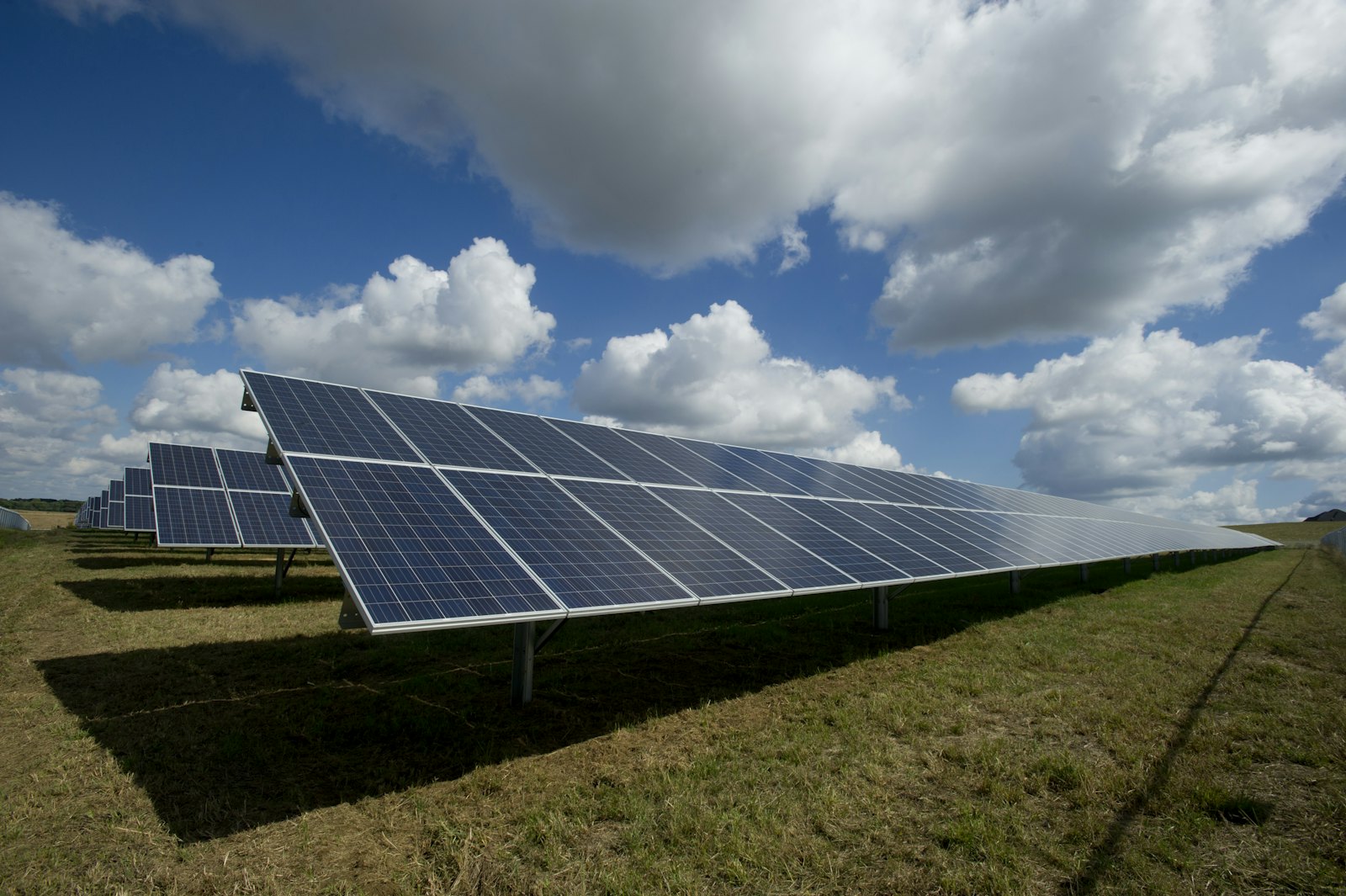
Solar in Milwaukee has to live through a long low-sun season, lake cloud, and snow on bungalow slopes. Close-set duplexes shade one another. Cream City parapets and neighboring ridges cut the day. An array is weight, and it is uplift when lake wind gets under the rails. The roof deck comes first. If ice already dams the eaves, the array will change where that melt sits, and that question comes before modules.
Say which way the ridge runs. One slope often faces a neighbor's brick and is not the slope you hope it is. Low winter sun slides under some limbs and dies behind a two-story wall. A hip on a corner lot is not a simple gable mid-block. Look at midday and again late, and do not guess from the sidewalk. Parkway trees matter more in summer than in the bare heating season.
Fasteners have to reach structure on roofs that may already be brittle from ice. Penetrations must survive driving lake rain, not a dry week. Squirrels already in a soffit will treat an array as a new porch. Say if they are already in the attic. Snow that cannot shed on a low porch roof will sit. If the roof is due for replacement, order the work so the covering is opened once.
Summer is the bright stretch and the heating season is the long dim half, with output falling under snow. Gear still has to live in both. An inverter needs air, and a sealed attic is a poor closet in both seasons. Say if the electrical panel is old or full. A duplex may have more than one meter. Say which building and which meter you mean without inventing a label.
Lead with the roof, the neighbor's shade, and whether ice already owns the eaves. Name bungalow or duplex. Say which way the ridge runs if you know it. Milwaukee's heating season is long, and the array has to be honest about snow. Call the number on this page.