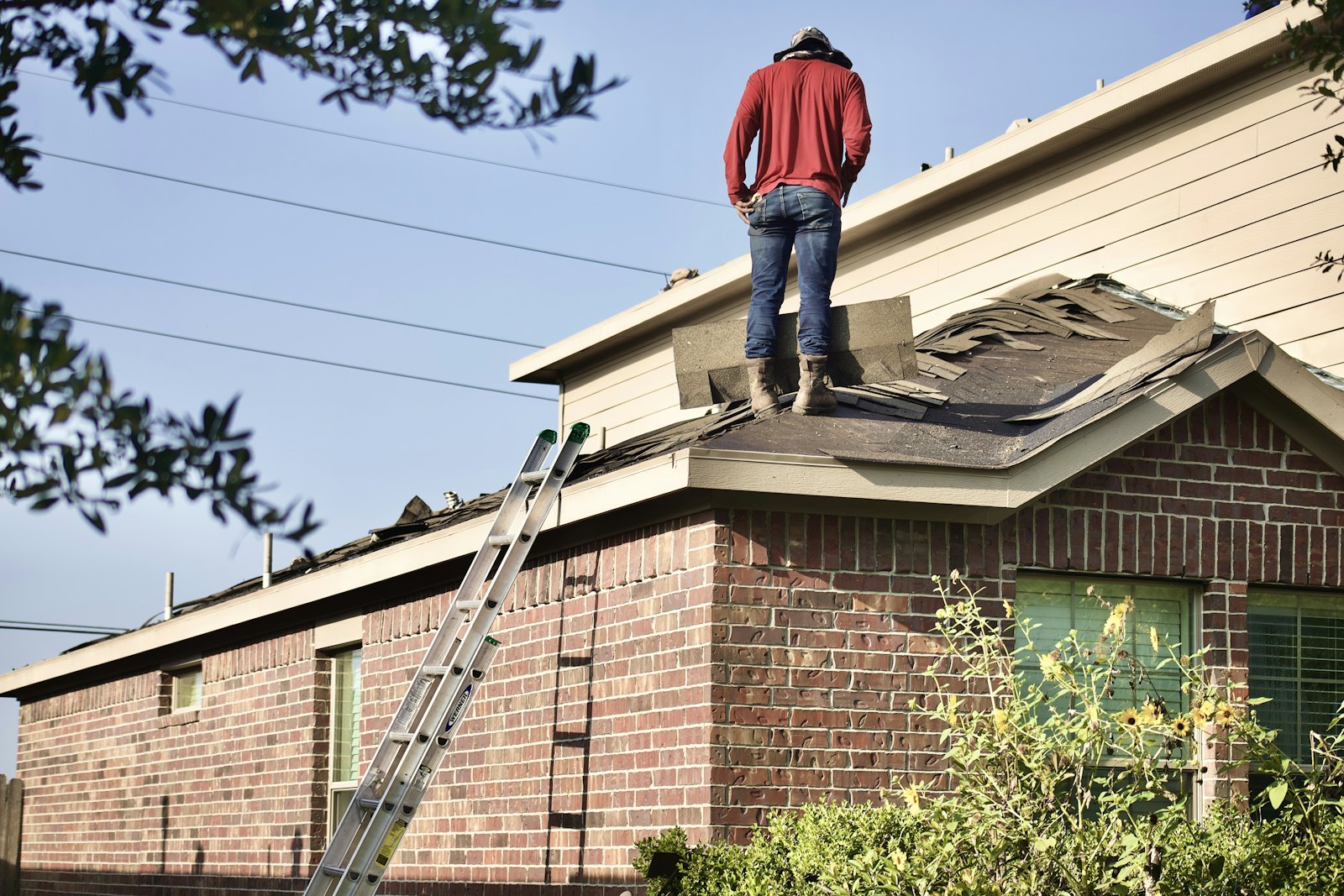
Roofing in Alaska on this southcentral coast means snow load, ice at the eave, and a short season when the deck can be opened. Wind off Cook Inlet lifts the exposed edge. A rainforest roof and a light Arctic shed are the wrong pictures. The house was built for cold first, and the covering has to live with that for months. Name the region before you name a shingle.
Ice dams are attic heat wearing a roof problem. Stains that grow in the dark months, a warm attic, and a bath fan that ends up there belong in the scope. Heavy snow is a structural question as well as a covering question. Metal can shed a sheet and take a gutter with it. Asphalt holds the pack and leaks where a boot cracked in the cold.
Summer daylight is long and the building season is still short, which is the window you actually have. Tear-off that waits until the dark returns leaves a soft deck wet. Ask about underlayment, ice protection at the eaves, and boards that have gone soft. A flashing repair is not a new slope on a roof that dams every winter. Say if a limb is on the ridge.
Earthquakes are a standing concern, and a chimney joint or a flashing that opened after shaking is not an ice-dam story. Say if you felt the house move. Do not let that disappear into a hail speech imported from another state. If a claim is open, photograph the eave, the ridge, and the stained room, and keep the deductible out of the speech. Access under snow is part of the truth.
Say the town, and say snow load, ice, or wind, and whether water is in the house now. Mention a warm attic if you have been up there. Name the covering if you know it. A soft deck will not dry itself in the dark. The short season will close without you. Call the number on this page.