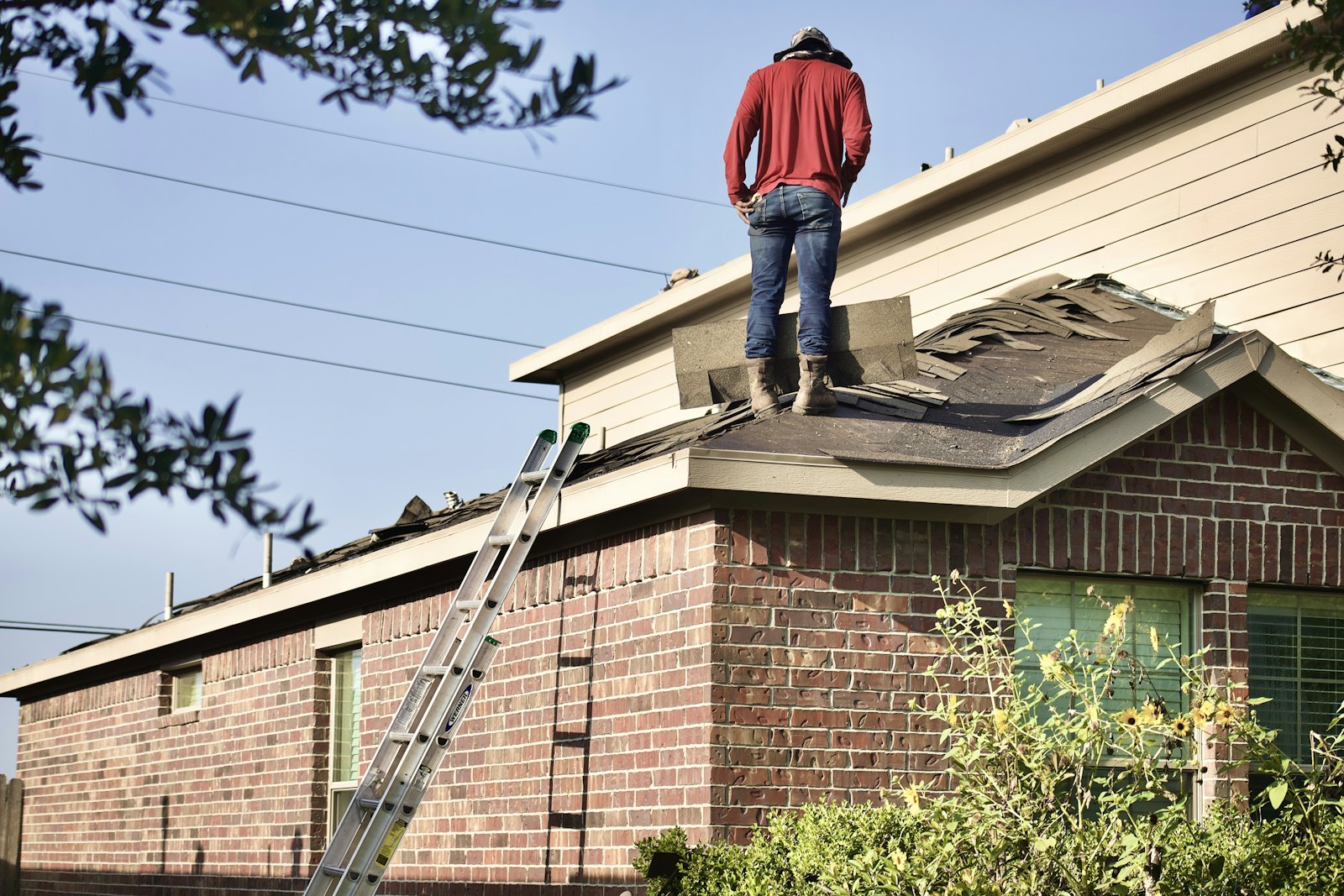
Roofing in Phoenix is a sun problem that a short rain occasionally exposes. Concrete tile over dried underlayment can look orderly from the street while water travels sideways and stains a ceiling far from the actual opening. Foam roofs blister, chalk, and pond against a parapet or a cooler curb. Older flat roofs in central neighborhoods hold water that a pitched roof would have thrown off. Asphalt shingles, where they exist, lose granules under ultraviolet light long before a storm deserves the blame.
Monsoon is the test, not the lifestyle. Dust arrives, then a hard rain driven by wind that lasts minutes. That rain finds valleys, pipe boots, and any penetration the sun has shrunk. The rest of the year the roof simply bakes. Do not describe a Phoenix roof as if it carried snow, and do not describe it as a Tucson roof that is mainly a sideways-monsoon story. The Valley failure is heat aging, then a brief storm that reveals it. Walk the yard, not the slope. Look for cracked tiles on the ground, stains at the eaves, and blisters you can see from a ladder height without climbing.
Say what the ceiling is doing and when. Only during wind-driven rain, only when the cooler runs, or all the time after a certain week. A boot replacement is not a tear-off. A tear-off needs underlayment, flashing at every wall, new penetrations, and a plan for the deck if it is soft. Tile has to be walked with care or the field cracks and you have bought a second problem. Foam needs the right recoating conditions, not a casual patch in the worst afternoon heat. Ask who hauls debris and who pulls the permit if the city requires one.
Ask for the scope in writing, including skylights and the cricket behind a wide chimney if you have one. Ask what remains if only one slope is bad. A west slope takes a harder life than a north slope on the same house. Bring the surface and the symptom. Call the number on this page.