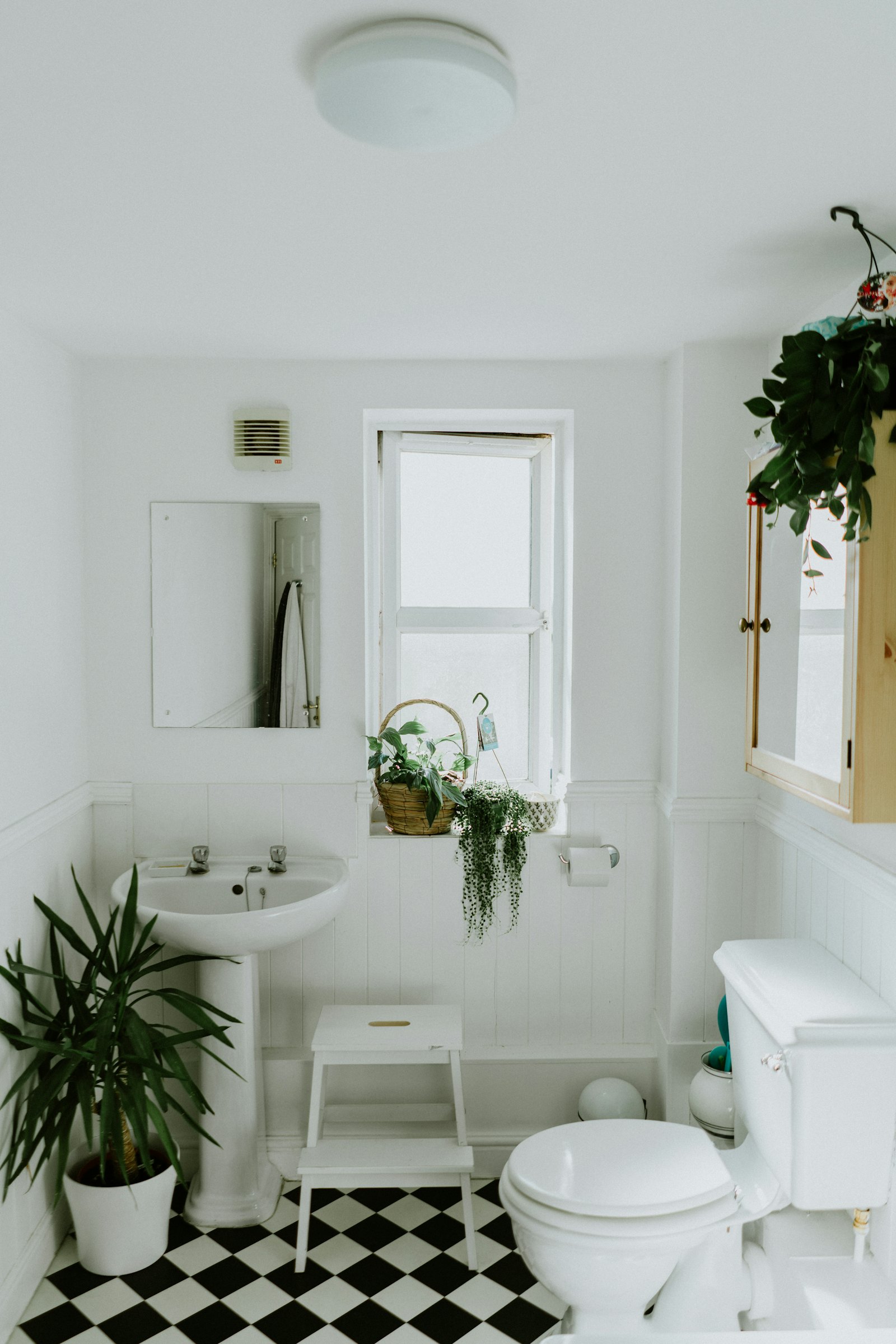
Bathroom remodeling in Tucson runs into thick walls, hard water, and a lot of small older rooms. A barrio bath can be a tight plaster box with a window, a tired tub, and supply lines that disappear into adobe you should not carve casually. A tract bath on the edge of town is a more ordinary alcove that is still out of square. Foothill houses add another issue: an exterior wall that sees a colder night than the Valley, so a shower moved to that wall needs the lines protected. Scale from hard water is already in the valve.
Say whether the layout stays. A tub for a tub, a tub for a tiled shower, or a toilet that has to move are three different projects. Moving a drain in a slab is a concrete decision. Moving a drain in a raised older floor is a joist decision. Ask which floor you have before anyone talks about a curbless entry. Ask what waterproofing goes behind the tile, and whether the valve is new. Ask whether a softener feeds the room. New glass will spot fast if the mineral is ignored.
Cooler houses carry more indoor moisture than a refrigerated house, and monsoon weeks add a humid spike on top. The bath fan needs to leave the building, not dump into an attic that already has a cooler blowing damp air nearby. Ask where the duct terminates. Ask who patches plaster. Plaster and adobe do not forgive the same patch a drywall tract house forgives. If a window sits in the wet wall, decide whether it stays. Wind-driven rain and a shower do not need to share a sill.
Accessibility, when you need it, means blocking in a wall that may be block, adobe, or wood, and a curb or a seat chosen on purpose. Say that on the call. Name the room, the floor, and the wall type. Call the number on this page.