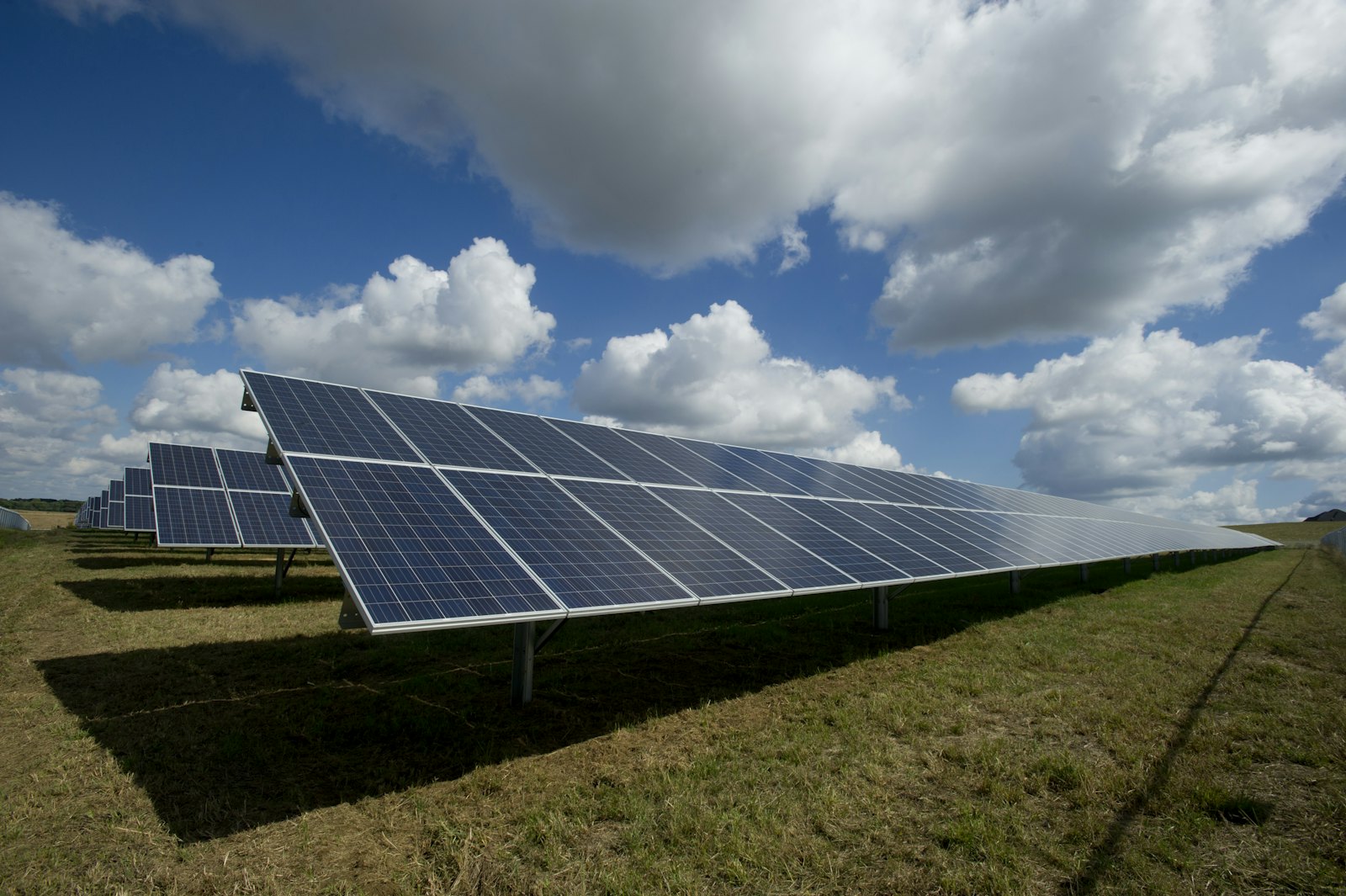
Solar in Tucson has the sun and a roof that the monsoon will try to exploit. Tile is everywhere in the foothills and common in town, and tile over tired underlayment is a poor place to hide penetrations. Flat roofs with parapets have less slope and more ponding. A swamp cooler already occupies the best part of many older roofs, so the array has to share space with a curb, a vibration, and a person who still needs to service the cooler. Shade from a foothill slope, a neighbor house, or a mature mesquite can cut a south plane even when the sky looks empty.
Ask for someone on the roof. A photo from the air will not show a soft deck, a cracked tile field, or a cooler pan that has been leaking into the curb. Ask the age of the covering and whether roof work happens before any module is set. Ask the attachment detail for tile versus a flat roof, and ask who stands behind a leak at those holes. Ask how the array is removed later without destroying the field. Ask whether the cooler stays and how service access remains.
Then the panel. Older bungalows may still have a small electrical service that never imagined a condenser and an array together. Foothill houses may have a newer panel that is already full. Ask for it to be opened. Ask for the module and the inverter to be named in the writing, and ask where the electronics live. Ask who watches production and who you call when a section goes quiet. Dust films the glass. Wind tests the bolts. Those are scope items, not slogans.
Ask who pulls the permit and who files for interconnection, and whether operation waits on permission. Ask whether you own the equipment when the work is done. Bring the roof type, the cooler if you have one, and the age of the covering. Leave the bill pitch out of it. Call the number on this page.