






Los Angeles is a basin of bungalows, stucco courts, and inland valleys that turn harsh once the morning marine layer burns away. A craftsman on a flat street and a ranch past the hills do not share the same afternoon. Near the west side the air stays softer and the house cools after sunset. Farther inland the stucco stores heat, the attic becomes an oven, and rooms stay warm well into the night. The house you keep has to answer both the breeze and the bake, often on the same week.
Tile, composition shingles, and the occasional low-slope roof sit on framing that has already spent years under hard sun. Single-pane glass in older bungalows leaks warmth after dark and invites glare by noon. Yards swing from leftover lawn to gravel and tough plantings, and a buried irrigation line can fail without a sound until a bed goes brown. Wood in porches, eaves, and crawl spaces stays on the menu for termites. Slab floors and older metal supply lines announce trouble only after a stain or a weak faucet shows up.
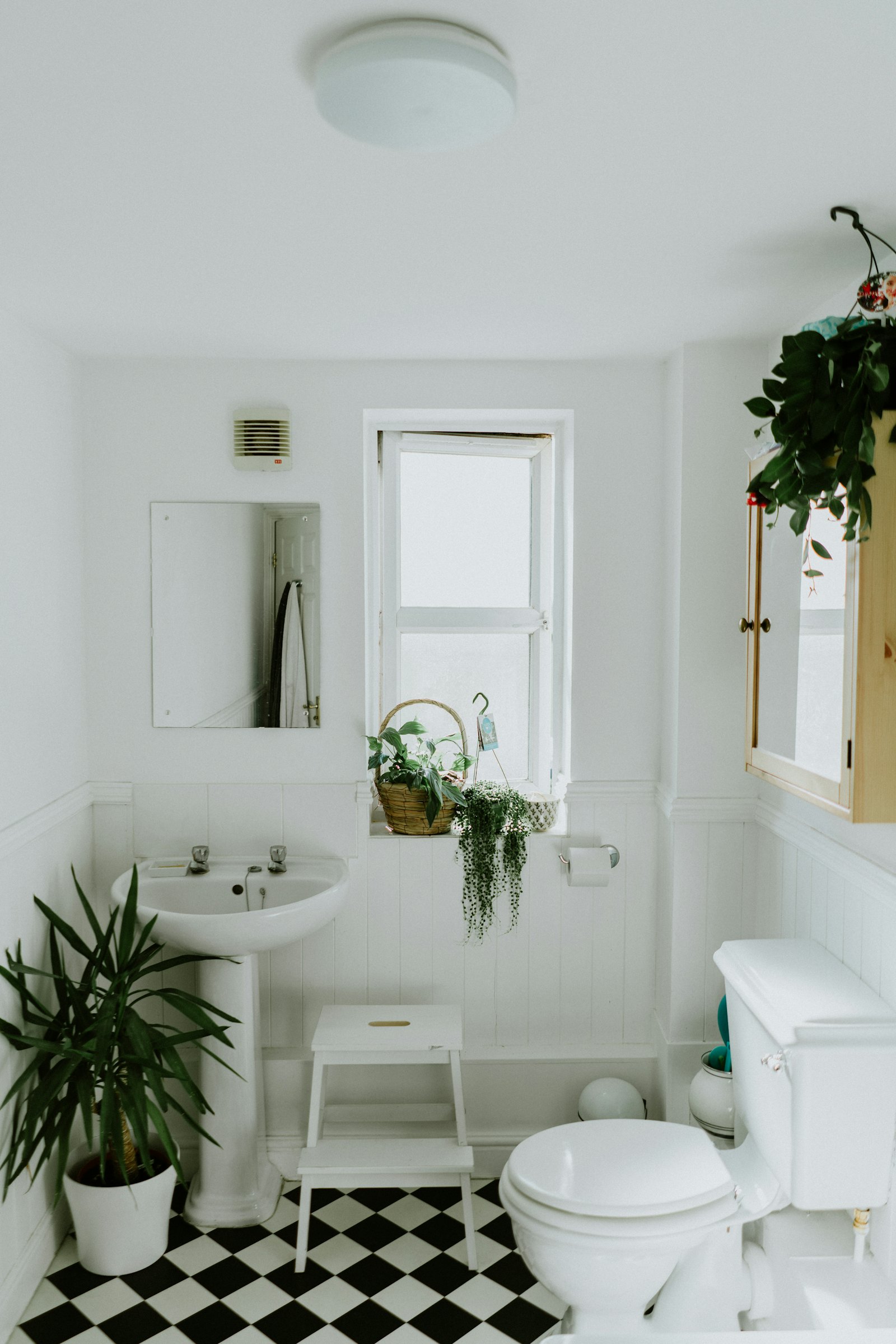
Cooling stops being optional once you leave the beach air. Inland rooms need equipment that can hold a long hot afternoon, while a bungalow closer to the water may still rely on a window unit or on nothing but screens. Bathrooms in those smaller footprints are tight, tiled, and often original, with fans that never quite clear steam. Roofs take ultraviolet light all summer and then take wind when Santa Ana conditions line up over the passes. Sealants, flashing, and coatings age faster here than they would in a mild, cloudy climate.
The right call is the one that matches the failure in front of you. A soft spot overhead is not the same job as a bath that stays damp, a yard that baked, a condenser that short-cycles, or a policy question after water crossed the ceiling. Read the house, the microclimate, and the season together. The coast and the inland valleys are both Los Angeles, and each one punishes a generic fix in a different way. Start with the trade that owns the problem.
Pick the trade and call.