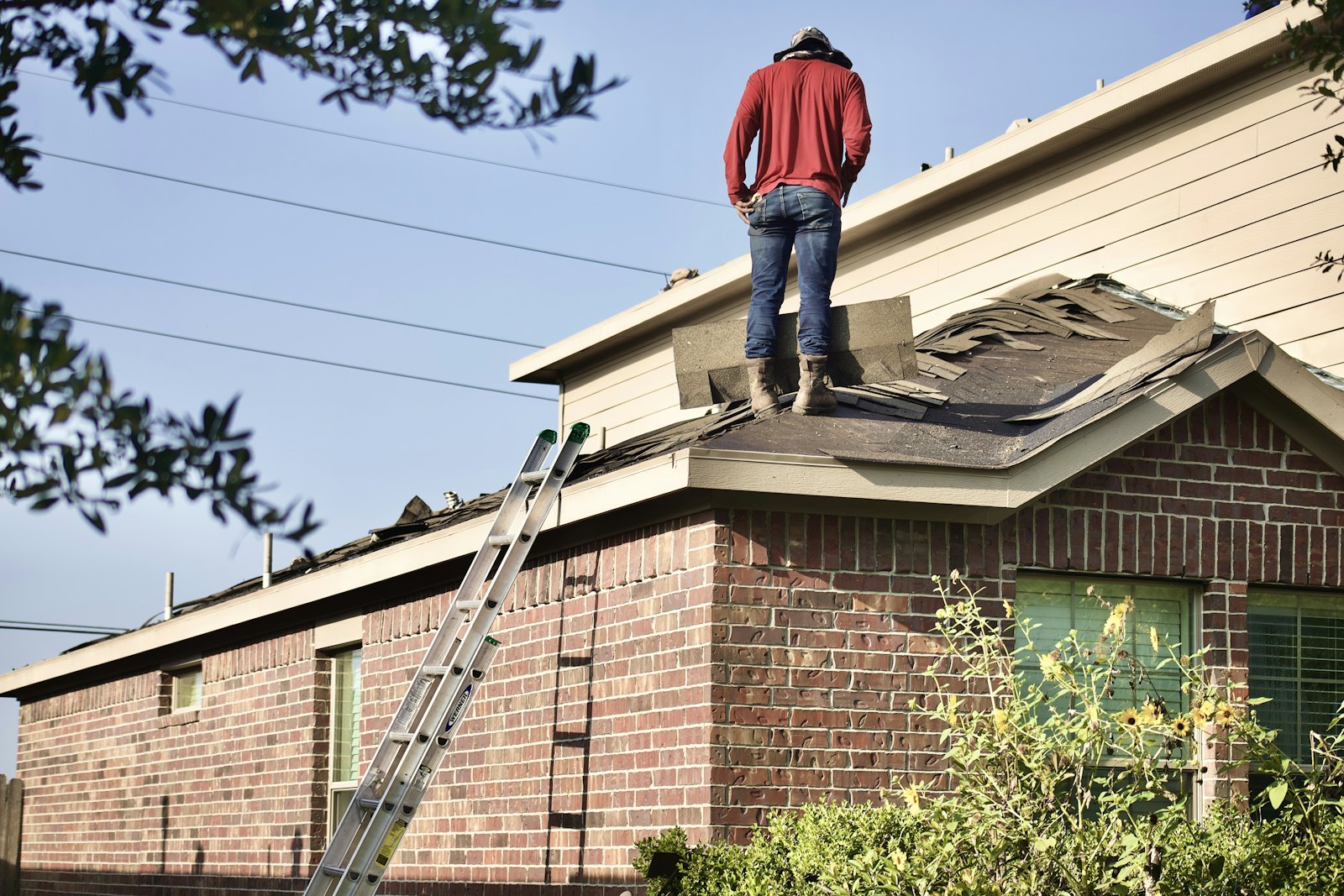
Roofing in Los Angeles is a sun job that becomes a wind job without much warning. Bungalows often carry composition over older skip sheathing, with hips and dormers that collect heat. Spanish and Mediterranean houses carry tile, and the real roof is the underlayment you cannot see from the curb. Low-slope additions and garage roofs show up across the flats, and they fail at seams and edges rather than in the pretty field. Inland valleys bake that assembly harder than a west-side block that still gets a morning marine layer.
Walk the symptoms before you talk about a whole new surface. Grit in the gutters, tabs curling at the rakes, a stain that follows a valley, or a cracked tile at a hip are different clues. Santa Ana winds test every edge, ridge, and flashing that the summer heat already made brittle. Skylights on bungalow roofs leak at the curb when the sealant gives up. Chimney flashing on older plaster houses opens a gap you notice only after the first real rain, which may be months after the damage started. A coating on a low-slope roof is not a substitute for finding where the water actually travels.
Attic time matters on these houses. Dark sheathing, a damp rafter, or daylight at a pipe boot tells you more than a photo of the street face. Tile roofs can look intact while the felt underneath has turned to dust, especially on inland slopes that take afternoon sun. Composition roofs lose their mineral face and then wick water at the nails. Wood trim at gables and eaves can rot even in a dry city because irrigation overspray and trapped leaf debris keep one corner wet. Ignore that corner and the new field still leaks into the same wall.
When you call, name the material, the parts that look tired, and whether the house sits near the coast or deeper in the hot valleys. Mention stains, grit, lifted edges, or a soft deck you felt underfoot. Say if trees overhang the ridges or if the roof is a patchwork of an old bungalow and a later addition. The work has to match that roof and this sun, not a generic slope from a milder city.
Call the number on this page.