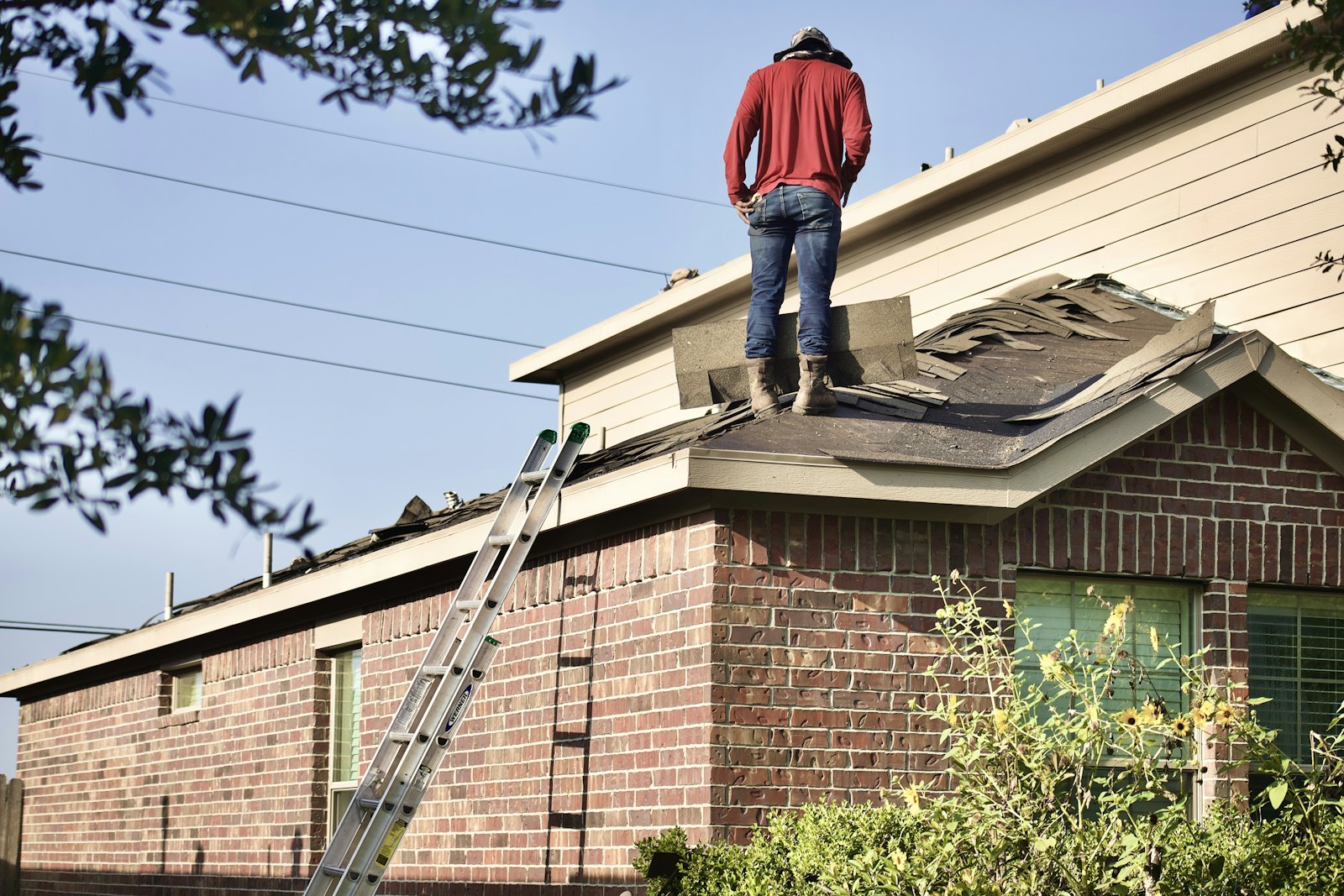





Denver takes hail, expansive clay, and a sun that feels stronger than the calendar because the city sits a mile high. Afternoon storms bruise roofs, dent gutters, and pit glass, then a chinook or a hard night freeze-thaws whatever the hail loosened. The soil under a lot of the basin swells when it is wet and shrinks when it dries, so walks heave, basement slabs crack, and sewer laterals shift. Winter can be mild at lunch and dangerous to a pipe by morning. Summer is hot enough to want cooling and dry enough that a bluegrass lawn is a water decision. This is not Colorado Springs with the Peak in its face and a constant wind, and it is not a mountain town that lives under deep snow for months. It is a basin city whose storms and whose clay do the structural work.
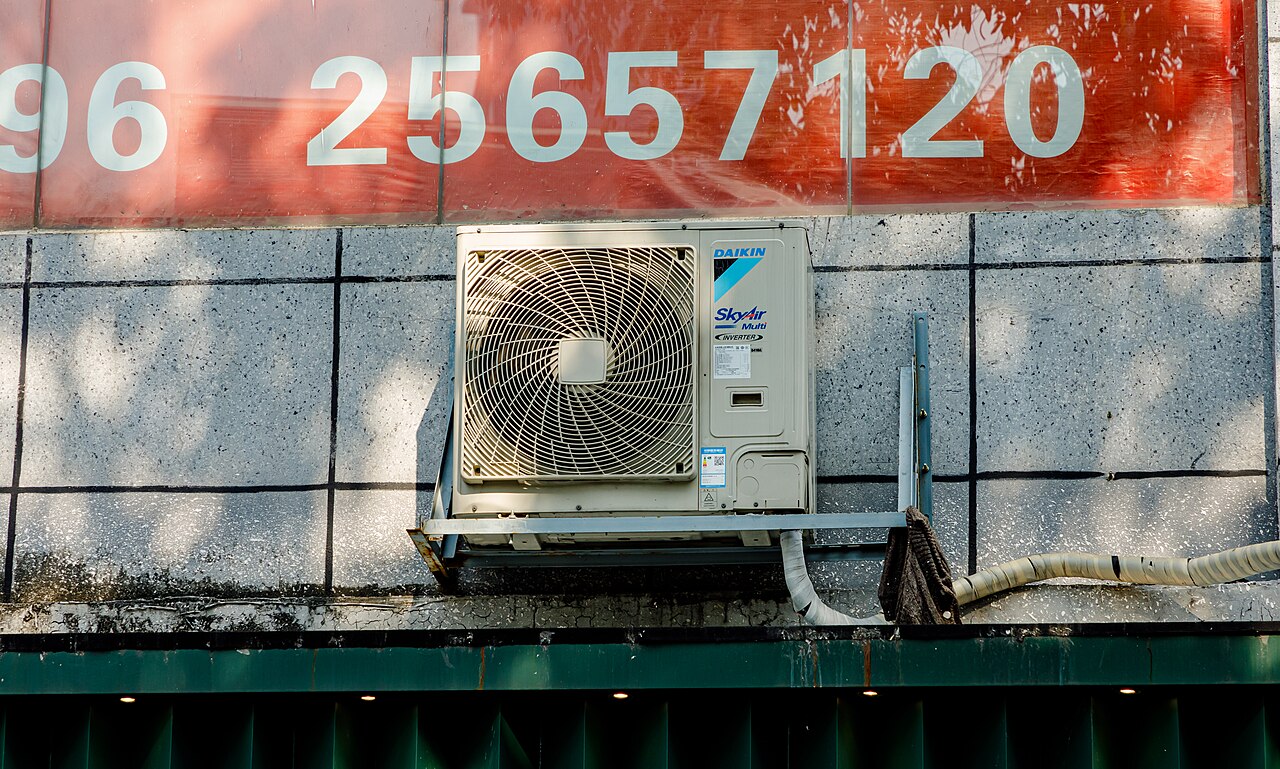
The houses are brick bungalows with basements in neighborhoods such as Congress Park, Park Hill, and the Highlands, plus newer tracts farther out. Alleys carry garages, utilities, and raccoons. Tree lawns carry street trees that lift walks and find clay sewers. Older systems include boilers and radiators. Newer ones are forced air with condensers that sit in the hail path. Water from the high country is not the mineral soup of the Wasatch. Scale is not the Denver headline. Galvanized pipe, old laterals, and hail-aged roofs are.
Say what the last storm did, what the soil has already cracked, and whether the house is hot, cold, or wet. If a policy is in the question, have the deductible and look for a wind or hail split. The neighborhood matters if it tells brick, an alley, or a tree lawn.
A chinook can undo a freeze by lunch and invite another one by midnight. Say if that swing is already in the house as a stain, a crack, or a pipe. The basin will repeat it.
Pick the trade that matches the bruise, the heave, or the freeze. Pick the trade and call.