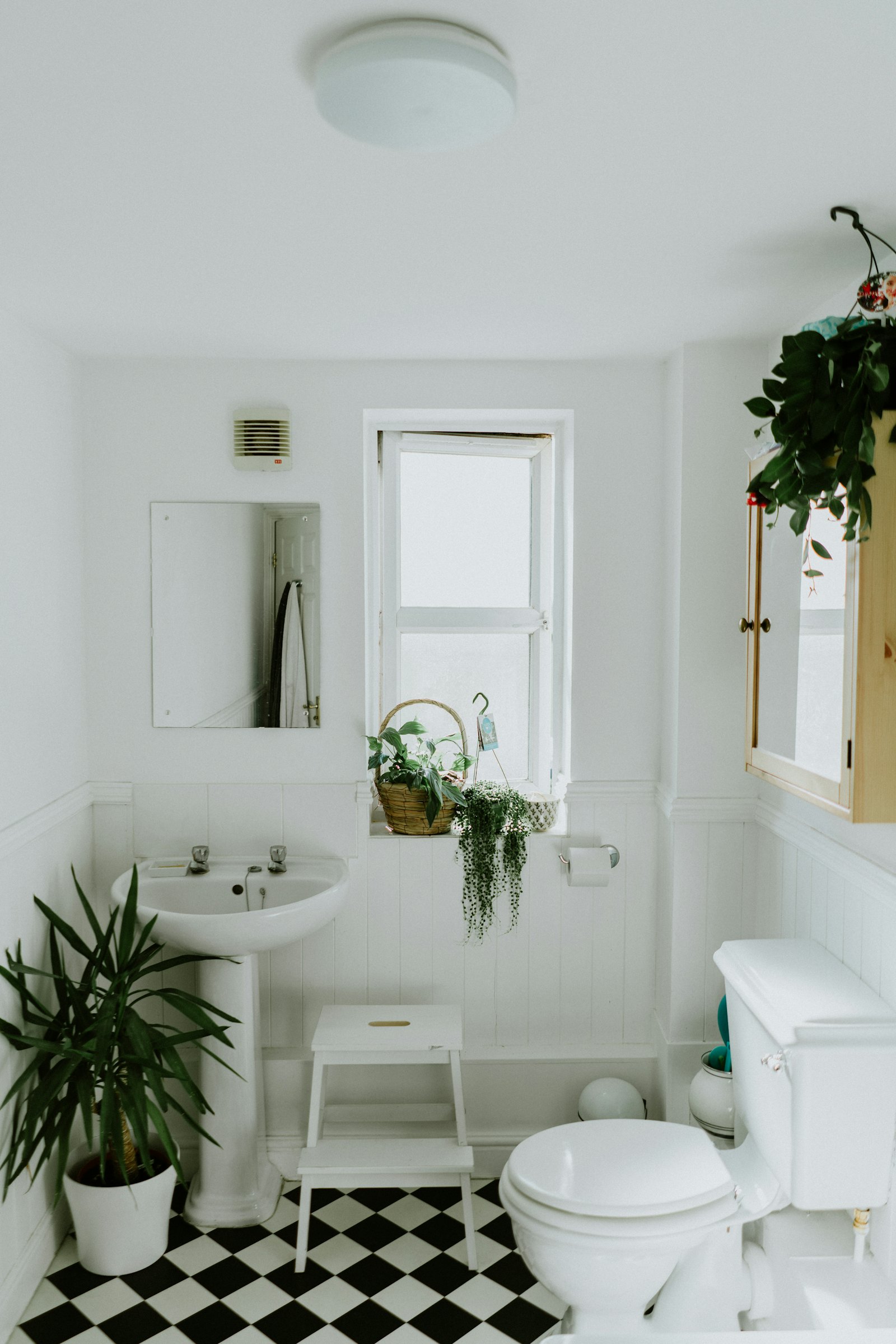
Bathroom remodeling in Denver is a small bungalow bath or a basement bath, plus a freeze risk and a slab or a floor that clay may already be moving. Plaster, odd dimensions, and a stack you should not casually relocate are the older-house version. Tract baths farther out are simpler and still sit over expansive soil. The water itself is not a scale crisis the way Wasatch water is. The crisis is layout, freeze on an exterior wall, and moisture in a house that stays closed all winter. A window over the tub on a hail-exposed wall is both a leak and a draft.
Say the scope first. Tub for tub, tub to shower, basement finish, or vanity only. If the toilet moves, the drain decides the job. Ask what waterproofing is behind the tile and whether the valve is new. Ask where the fan duct ends. A fan into an attic that already grows ice dams is a bad gift. Ask who patches plaster. A drywall patch in a plaster bungalow looks like what it is. If the slab or the tile has already cracked in a pattern that matches the clay, say so before new finishes lock the crack in place.
Exterior-wall supply lines need protection from the hard night that follows a mild day. Mention any pipe that has frozen. Accessibility means blocking and a curb chosen while the wall is open. Radiators in older baths have to stay in the layout conversation. A basement bath needs a sentence about water, sump, and sewer backup before anyone discusses tile, because spring and a heavy rain both visit those rooms.
Hail can also be why the tub window failed. If the glass over the wet wall cracked in the last storm, say so. The bath scope and the opening are one leak path in a bungalow, and treating them as strangers is how the new tile gets wet.
Name the floor and the neighborhood only if it explains brick, plaster, or a basement. Call the number on this page.