

Washington is a District of rowhouses on the Potomac, brick blocks with stoops, party walls, and alleys, hot humid summers, and winters that still freeze. The house in front of you is probably long and narrow, with a rear ell, an English basement, and a roof you cannot see from the sidewalk. End units have a weather wall. Mid-block houses do not. That difference matters more than the quadrant name.
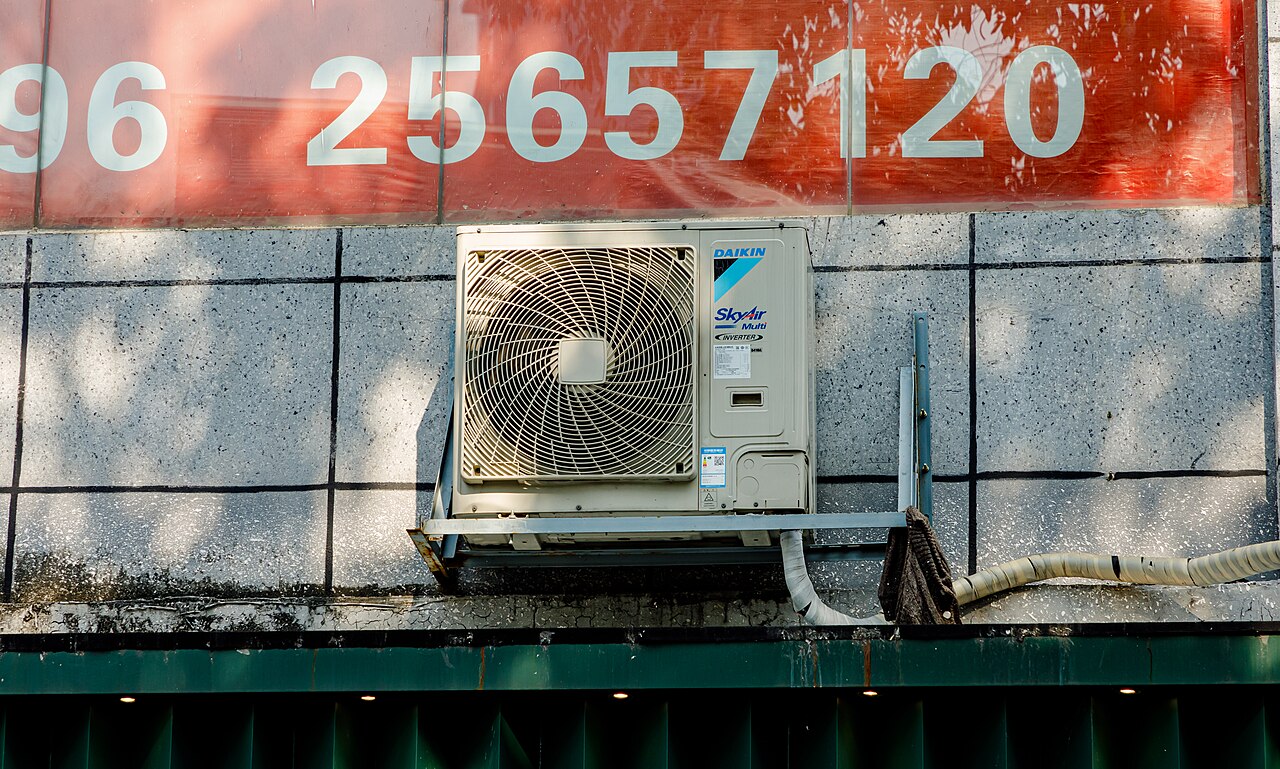
Flat roofs behind parapets share the city with a few pitched fronts and a great many patched ells. Scuppers and internal drains clog. The basement is a living floor in some rows and a damp cellar in others. One stack and one stair do the work of the whole house. Painted brick, bare brick, and the occasional later skin show up on the same block. The alley is where condensers, downspouts, and pests already live.
Heat sits on the top floor after the sun is gone because the brick gives it back. Humidity off the rivers keeps baths and alley wood from drying. A hard rain finds the low roof and the areaway at the same time. A cold night still freezes a line on the rear wall. These are ordinary Washington failures, the Washington of the District, on a rowhouse block. Say so plainly when you call.
Stand at the stoop and name the failed thing: roof, windows, bath, heat, pests, water, the scrap of garden, the policy, or the sun on that roof. Say mid-block or end, flat roof or pitched, English basement or not. You do not need a tour of every room. Two or three facts about the building sort the trade.
Washington rowhouses fail at the parapet, the ell, the party wall, the top floor, and the basement under the stoop. Bring the symptom and the shape of the house. Pick the trade and call.