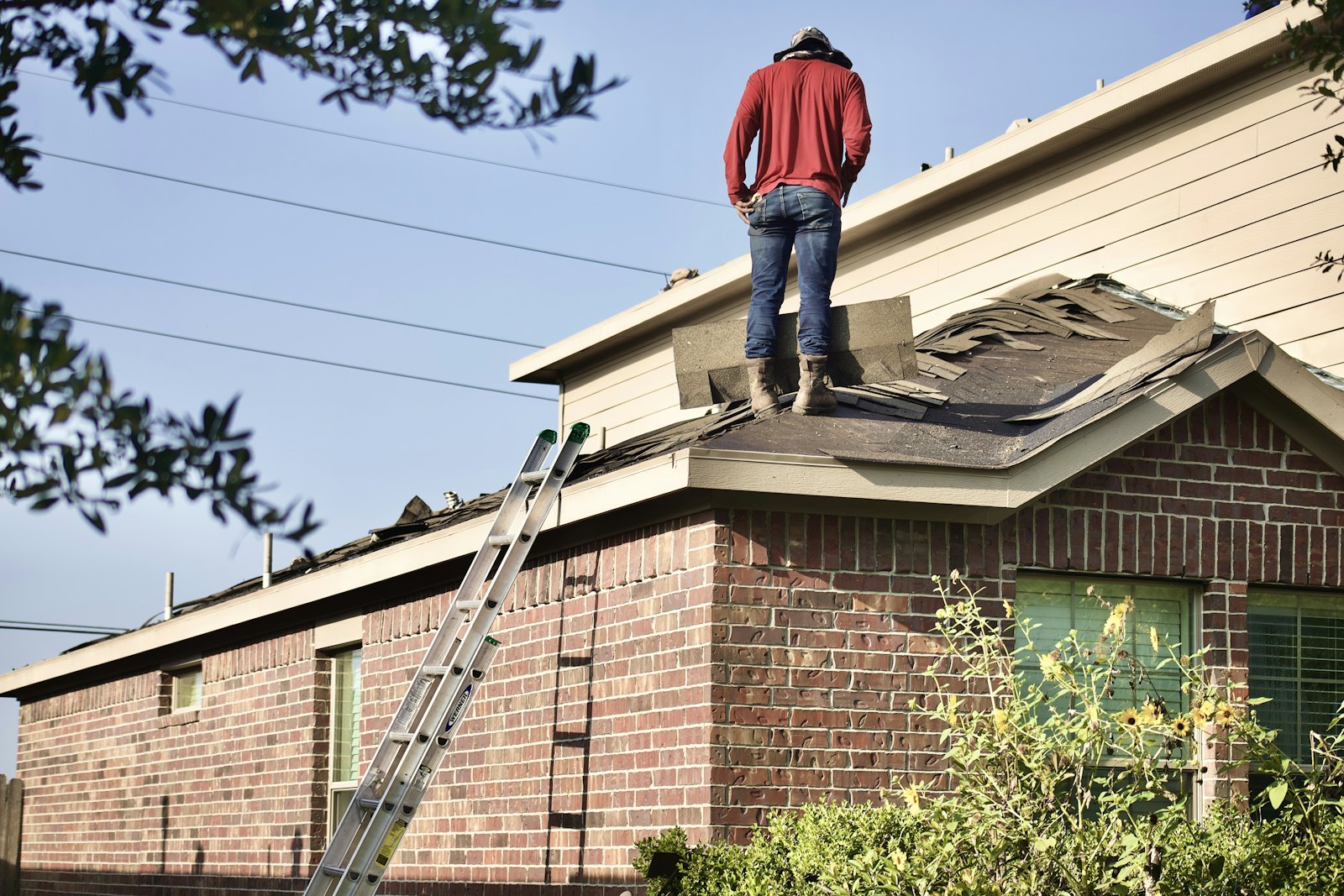
Roofing in Orlando is heat first and storm second. The sun bakes the south and west slopes through a long season with no sea wind to cool the deck. Shingles curl, granule loss fills the gutters, and pipe boots crack before anyone talks about a hurricane. When the afternoon storm does come, it comes hard, tests the valleys, and sometimes brings hail. Start with bake, leak, hail bruise, or a covering that is simply done.
Most houses here are shingle over a vented attic that is trying to survive an oven. Ventilation and a sound deck matter as much as the color of the new covering. Tile exists, but it is not the default the way it is on the southeast coast. Oak shade in older neighborhoods keeps some slopes cooler and drops limbs and leaves into the valleys. Open subdivision roofs take the full sun and the full hail when a severe cell crosses. Say which roof you have. Say whether the attic is unbearably hot, because that heat is aging the underside too.
Do not confuse a stain from wind-driven rain with a flood from the pond out back. If a claim is open, photograph the slopes before anything is scraped or tarped into confusion. A dry-in is a pause. A replacement should say whether the deck, the underlayment, the flashing, and the boots are in the work. Wind that opened a ridge is not rising water. Water that came through a missing shingle is still not the same sentence as water that entered at the slab from the yard.
From the ground, report granules, a soft ceiling, a valley buried in oak leaves, or bruises you think are hail. From the attic, report daylight or a deck that feels soft. You do not need to be sure. You need the city, the material, and whether this is a repair or a roof that has been cooked past patching. Call the number on this page.