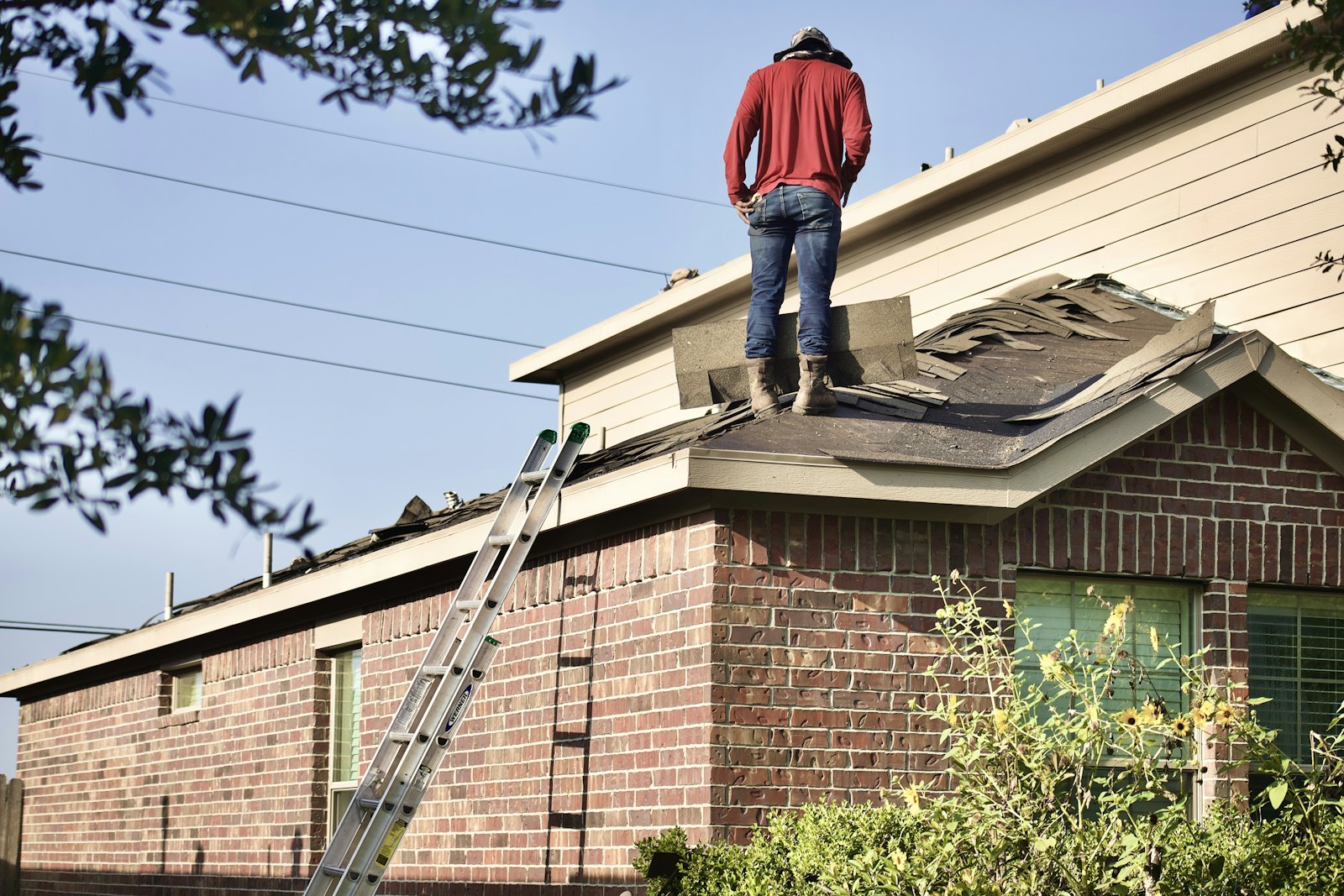
Roofing in Detroit is freeze and thaw on older houses, over and over. Ice packs the valley where a low addition meets the original wall, then a warm afternoon lets it go and the plaster stains below. Brick chimneys crack at the shoulder and open the flashing. Pipe boots split after years of heat and cold. A leak you notice after the thaw often started in the quiet weeks when the roof looked fine from the sidewalk.
Close lots change the work. A ladder may have to stand in a side yard the width of a gate, or come through an alley to a back garage roof. Porch roofs are low, walked on, and patched with whatever was handy. Multiple layers are common, and they hide a soft deck until the tear-off. Look from the ground for a sagging porch, a wavy ridge, and granules in the gutter after the thaw.
Flashing is where Detroit roofs betray people. Chimney metal pulls out of mortar. Step flashing beside a dormer or a second-story wall lifts. A vent boot shrinks. Replacing field shingles and leaving those joints brings the stain back at the next thaw. Say if the attic is warm enough to melt snow from below, because an ice dam on a bungalow eave is an air leak as much as a covering. Bath fans that dump into that attic make it worse.
Wind creases tabs and hail bruises them, and those marks are not the same as simple age. If a claim is possible, photograph from the ground or an upstairs window before anything is torn off. Note whether the water shows at the chimney, the valley, or a ceiling far from both. The scope should say what happens at the brick, not only which shingles get swapped. A roof job that stops at the shingle leaves the plaster unfinished.
Say leak or replacement, and say if ice is still sitting in the valley. Tell whether the house is brick, frame, or a mix with an addition out back. Call the number on this page.