






Jacksonville has a real winter by Florida standards, and then it has a summer that would still exhaust a city farther south. Frost shows up. A hard freeze shows up often enough that hose bibs, tropical plants, and a heat pump actually have a job besides cooling. The Atlantic beaches take salt and wind off the ocean. Inland, along the St. Johns and under the oaks, the air is humid without that constant salt bath, and the river is a flood path of its own. A nor'easter or a winter coastal blow is part of the year here, not only the tropical season everyone else in the state rehearses.
The housing is older in the neighborhoods that grew up with the river. Wood frames, crawl spaces, drafty windows, and galvanized supply sit next to brick and plaster. Farther out, slab houses and newer subdivisions behave more like the rest of the peninsula, until a cold morning reminds the pipes that this is not Miami. Pines and live oaks dominate the canopy. Camellias and azaleas make sense here in a way they do not on a coral-rock lot in the south. Turf goes dull when the nights drop, and people are surprised every time.
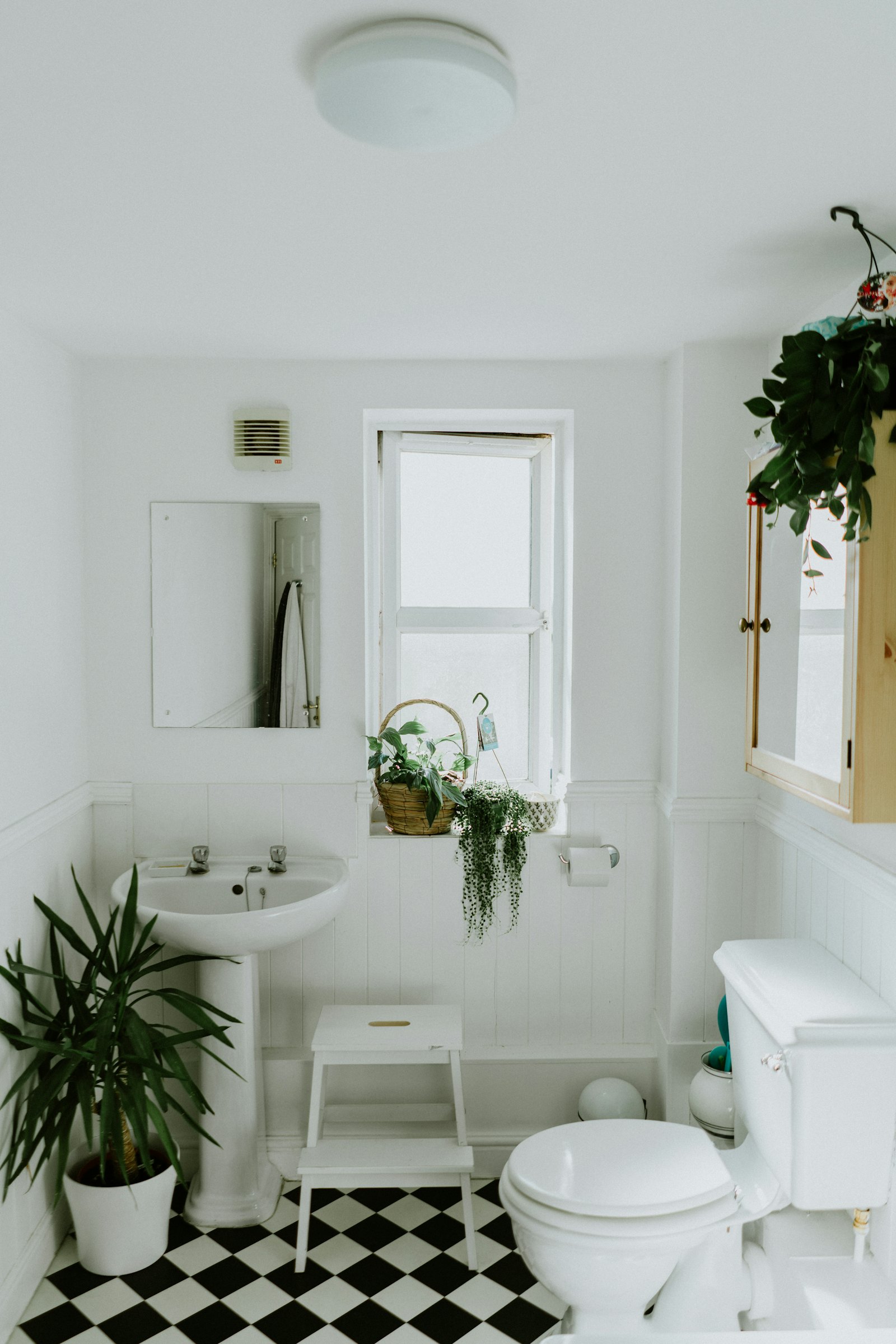
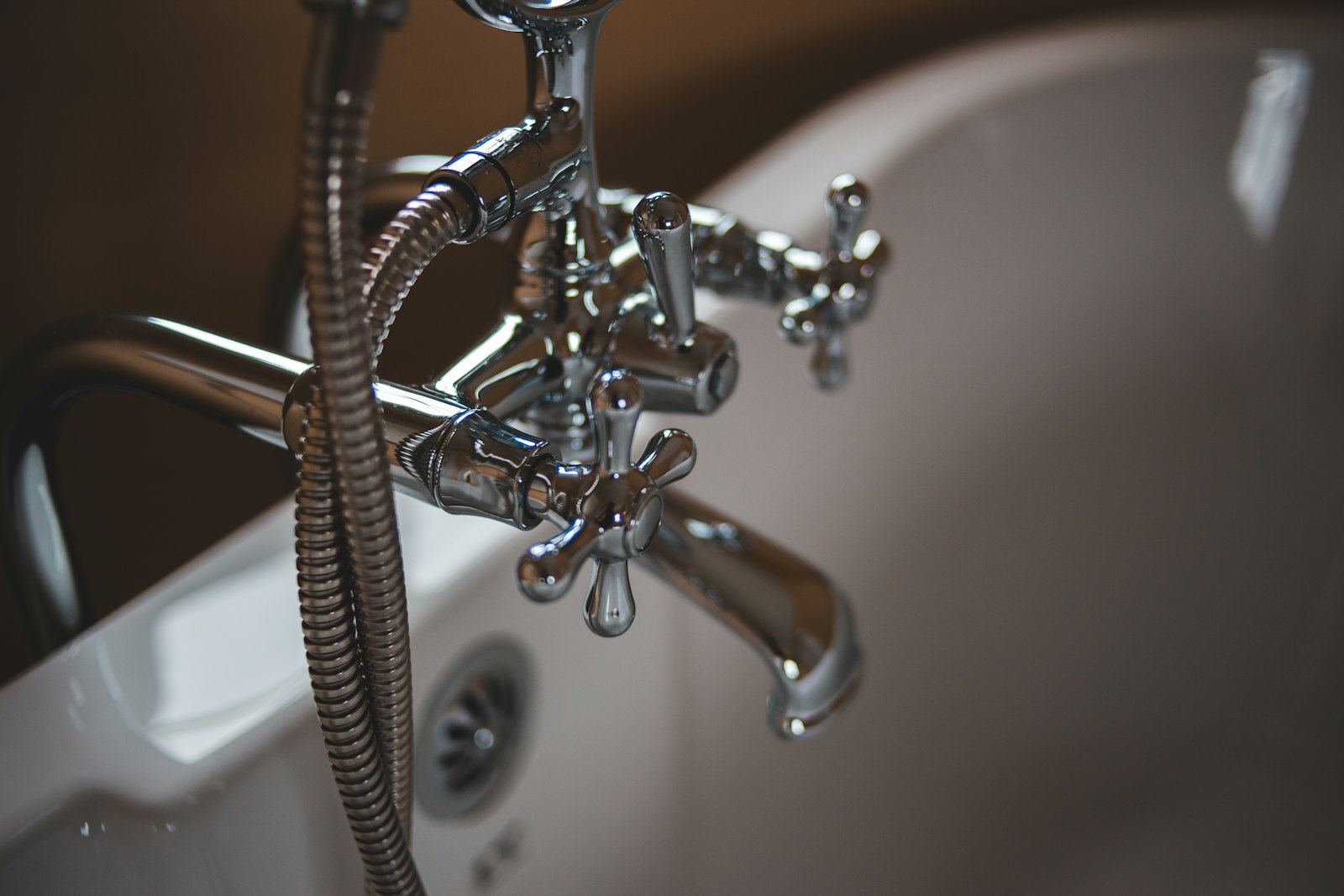
What fails is seasonal in a way south Florida does not copy. Cooling still runs for months, and condensate still clogs. Then a cold snap splits an exposed line, kills the ginger, and sends rodents looking for the attic. Roofs take ocean wind at the beaches and oak debris inland. Baths in old houses hide tired stacks. The river can put water in a ground floor that never saw a wave. Those are different calls, and they should stay different.
Bring insurance as paper, not as a mood. Your policy, your deductible, and any claim. Wind and flood are different. Beach wind and river water can share a storm and still not share a paragraph in the contract. Say whether you are on the ocean, on the river, or inland under the oaks. Pick the trade and call.