






Des Moines takes hail in swaths that can bruise one side of town and skip the next street. Asphalt goes shiny and dumps granules in the gutter. Gutters and window aprons dent. Condenser fins mash flat and then fail in the humid stretch that follows. West-facing glass spiders while the east side looks fine. Winters still freeze and summers still stick, but the storm mark is the reason most of these calls start.
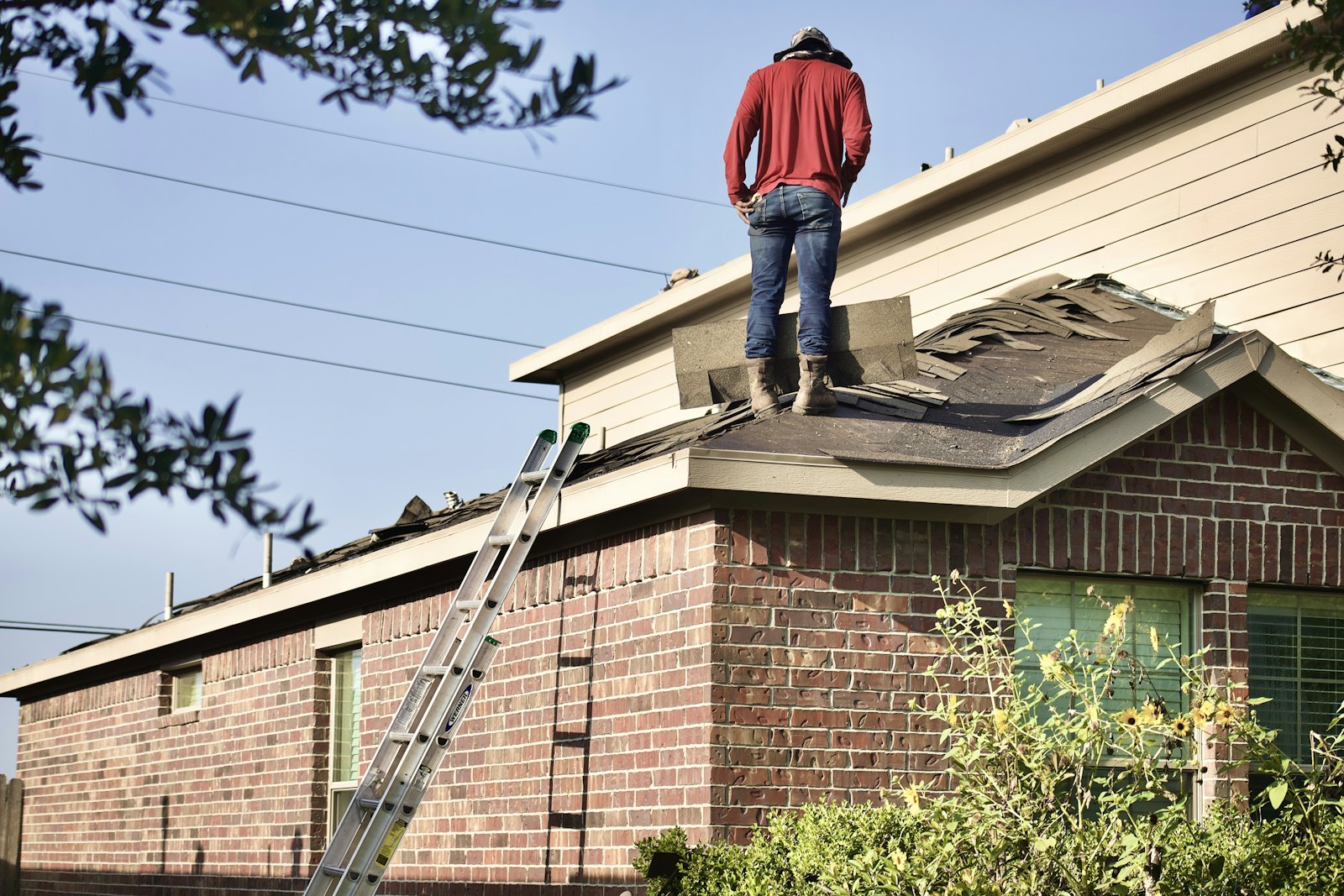
Older brick bungalows and newer ranches do not wear that hail the same way. A chimney and step flashing on an older roof open up. A simple gable on a ranch shows the bruise across a whole slope. Soft metal tells the truth when the shingles still look orderly from the curb. Screens tear. A stain over a tub may be the roof, not the plumbing. Look up before you open a wall.
The metro still has cold eaves, clay soil, and basements that take hard rain. Those are real, and they are not the hail call. A sump that quits, a heaved walk, and a furnace that has to run all winter sit beside the storm damage instead of replacing it. Mice use soffits the wind opened. Trees drop limbs and lose their leaves in one pass. Say which mess is in front of you today.
Have the neighborhood only as a way to describe the house, then describe the slope, the gutter, and the outdoor unit. Say whether the house next door looks untouched. That contrast is how hail works here. A policy, a deductible, and a claim are a different opening from a leak that is active. Name bruised roof, broken glass, or a dented condenser before you tell the whole life of the house.
Another cell will cross the same open sky. Pick the trade that matches the mark you can already see on the house. Pick the trade and call.