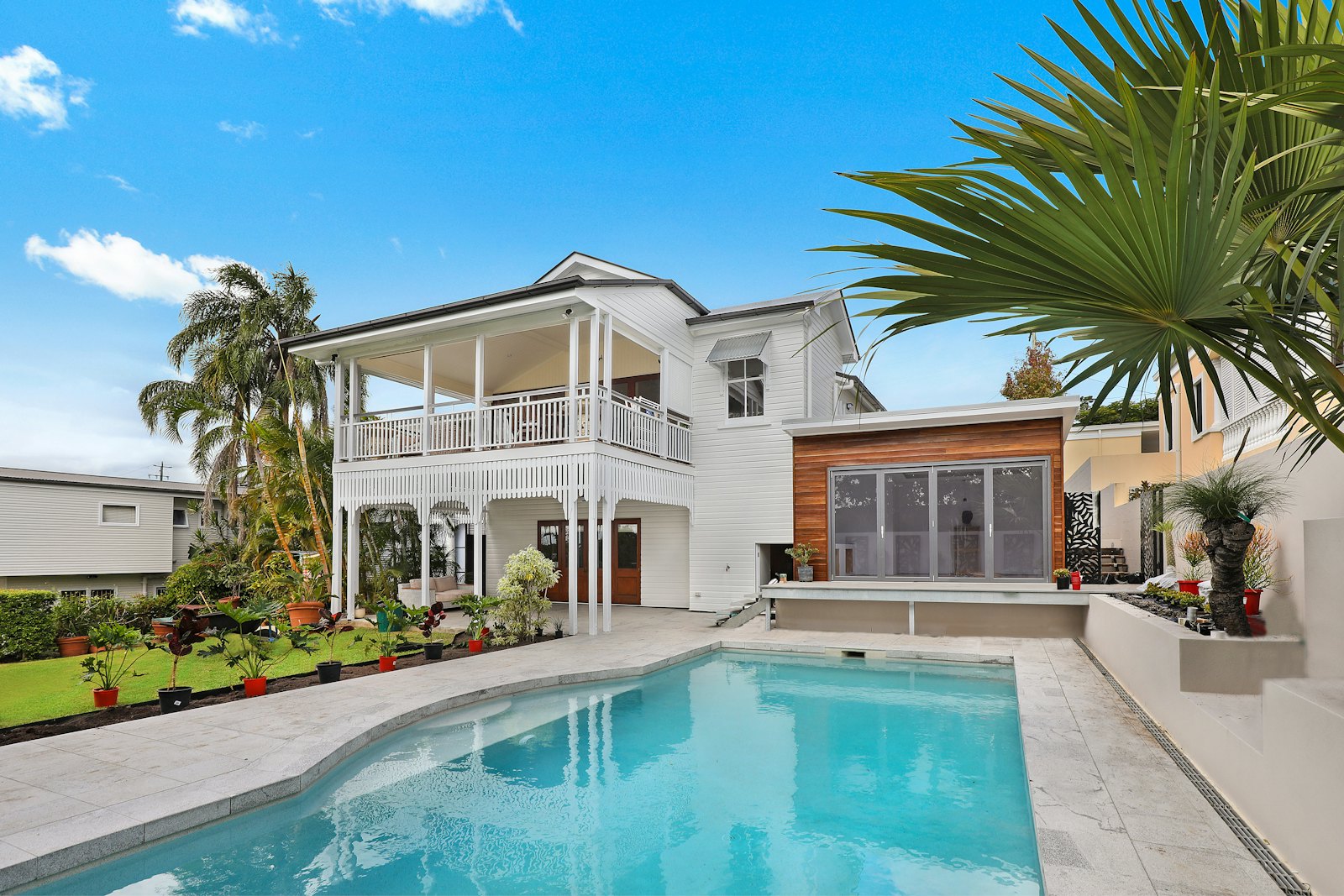








New Mexico is high desert, mountain towns, and a hotter southern tier, tied together by sun, wind, and nights that drop hard. Albuquerque and the Rio Grande valley bake in the afternoon and then give the heat back after sunset. Santa Fe, Taos, Ruidoso, and the northern villages add real snow and a long heating season. Las Cruces and the southeast run hotter and drier, closer to a desert floor, with wind on the eastern plains that the mountains do not share. Monsoon storms cross much of the state for a short violent stretch. A single mild-city plan misses all of it.
The houses are the clue. Adobe, stucco, vigas, and flat roofs with canales still define older towns. Newer subdivisions add pitched shingles. Evaporative coolers sit on roofs because the air is dry and the nights help them. Furnaces are not optional once you leave the hottest southern zip of weather behind. Rural lots bring wells, septic fields, acequias, and long drives. Manufactured homes are common on the edges. Clay, caliche, and wind-blown dust show up in the walls and the yard. Elevation makes the sun meaner than the thermometer mood suggests.
What fails is specific. Flat roofs pond. Tile and shingle roofs take sun and then a sideways storm. Pipes in exterior walls freeze on a clear night. Cooler curbs leak. Hard water scales heaters. Pack rats and mice want the attic when the night turns cold. Eastern plains wind and hail are a different roof conversation from a bosque cottonwood root in a sewer. Wildfire risk lives in the forests and the east mountains, not on every valley street. Say the region or the trade will be wrong.
Describe the house you have. Hot in the afternoon and cold at night, wet at a canal after a storm, no heat at dawn, something in the attic, a yard washing at the foundation. If a policy is part of the question, have the deductible and the dwelling limit. The state is too big for a single symptom.
Match the town to the trade. A southern cooling call is not a northern snow call. Pick the trade and call.