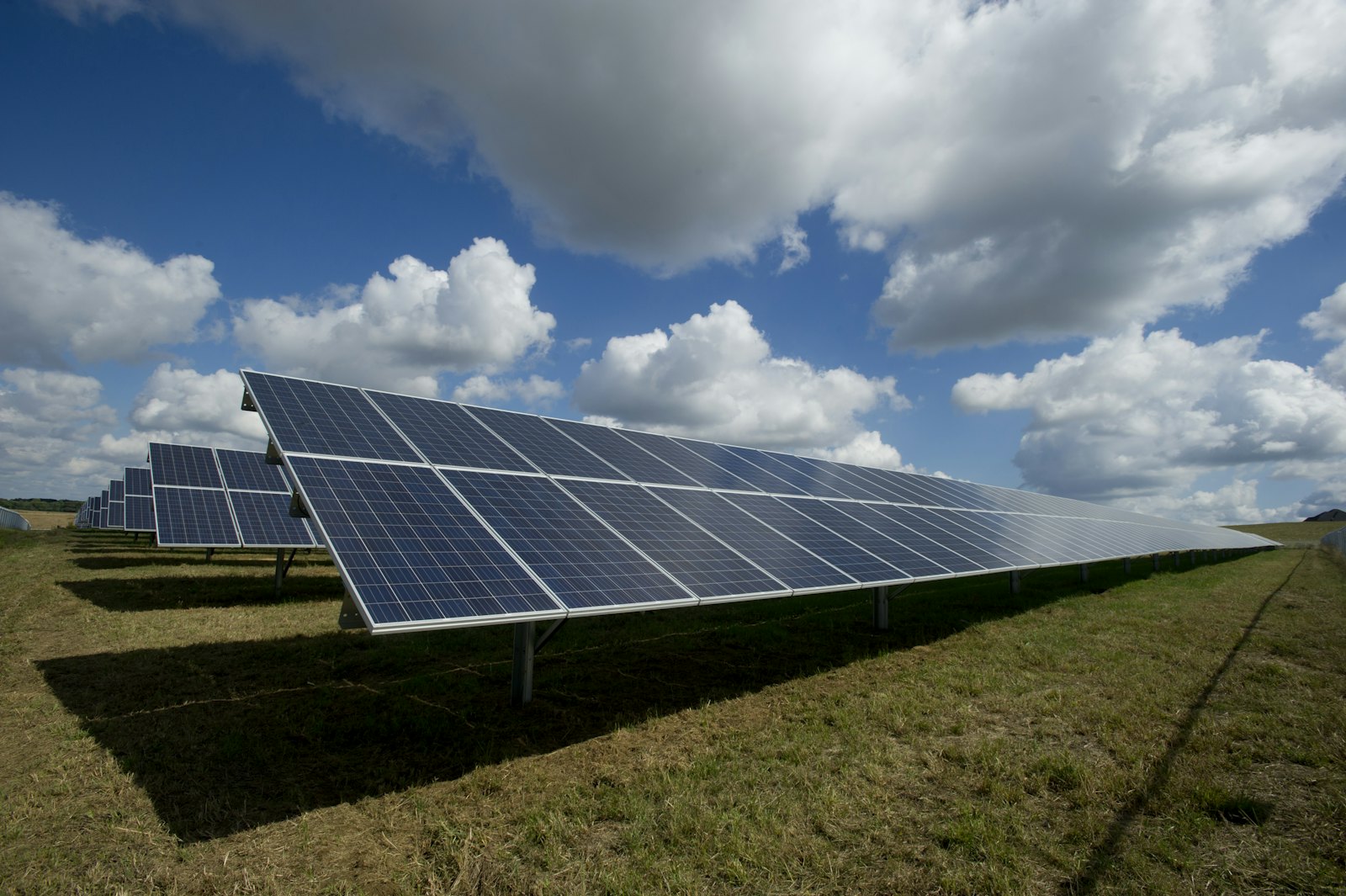
Solar in Dallas starts with hail, then with the roof under the array, then with the sun. Spring storms bruise shingles and can scar modules that sit in the open on a south or west slope. Putting an array on a deck that is already soft, or on shingles that just took ice from the sky, pins new holes to a roof you were about to replace. The visit has to get on the roof and into the attic before a layout is treated as real.
Ask what the modules are expected to endure in a hailstorm, and how a later roof repair reaches the deck without a fight. Attachment and flashing matter as much here as they do in a wind region, but the enemy is impact and a leak at the penetration, not a hurricane sail. Older lots under oaks in East Dallas and Oak Cliff lose afternoon production to shade that a front-yard photo will miss. Newer, cleaner roof planes may be simpler, and they still need a sound deck.
Heat in the attic is the other Dallas fact. Equipment has to live through a long cooling season up there or on a wall that bakes. Ask where the inverter will sit, how you will know a string went quiet after a storm, and whether the electrical service can take the connection. A hail-dented condenser nearby is a hint that this roof sees ice.
Permits and interconnection are part of the work. Ask who files the building permit, who files with the utility, and whether the system stays off until permission to operate is real. Ask who removes and resets the array when the shingles are due, because on a hail-prone roof that day may come from a storm rather than from old age alone. Get the module and inverter models named. An aerial picture has not felt a bruised mat or seen the attic rafters.
Have the address, the rough age of the roof, and which slopes sit under oaks. Say if a recent hailstorm already marked the shingles or the metal. Ask for a site visit about structure, shade, hail, and the path to permission to operate. Keep the conversation on the roof and the gear. Call the number on this page.